Plant profile
Aloe vera
Aloe vera
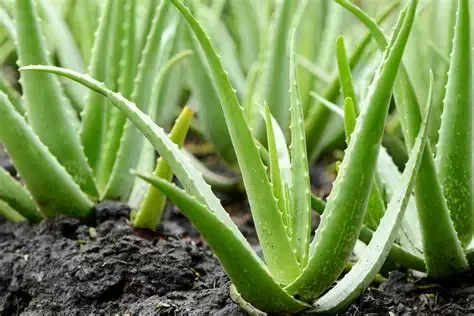
Photo : Vimalananth V — CC BY-SA 4.0 — source

🌱 Growing conditions
☀️ Light
Very bright light; gradual direct sun
💧 Watering
Allow to dry completely between waterings
🌡️ Temperature
15 to 27 °C
💦 Humidity
Low
🪴 Potting mix
Very well-draining mineral mix
⭐ Difficulty
Very easy
🌱 Growth
Moderate
📏 Mature size
40 to 80 cm
🌿 Habit
rosette
📝 About Aloe vera
Description
Aloe vera forms a rosette of thick leaves that store water. A compact plant with firm, fairly upright leaves is usually receiving enough light; an aloe that stretches, flattens and becomes pale is often asking for more. A reddish or bronze tint after a change of position is not automatically sunburn: it may simply be temporary light stress.
Its main weakness is overwatering, especially when light levels fall. The leaves often help distinguish problems: thin, wrinkled leaves in dry mix suggest prolonged thirst, while a soft, translucent or dark base in wet mix strongly suggests rot.
Care
Keep it very close to a bright window and acclimatise it gradually to direct sun. Water thoroughly, then wait until the mix is dry well below the surface before watering again. In winter or during slow growth this interval may become very long, so do not water by calendar.
Avoid misting and do not leave water sitting in the centre of the rosette. A light feed in spring and summer is enough; a slow-growing plant does not need frequent fertilising.
Repotting
Repot mainly when roots fill the pot or offsets begin to crowd it, preferably in spring. Use a pot with drainage holes only slightly larger than the old one, and a heavy pot if the rosette has become top-heavy. Choose a very free-draining mix with a high mineral content. After cutting damaged roots or separating an offset, allow wounds to dry before resuming normal watering.
Propagation
The easiest method is to separate a basal offset that already has several roots. Tease it away carefully, allow any cuts to dry, then pot it into a small, very free-draining container. A single Aloe vera leaf roots poorly and rots easily, so leaf propagation is not the practical method to favour.
🐱 Toxicity
The inner gel is used in some products, but the yellow latex beneath the skin is irritating and laxative; the plant is toxic to dogs and cats if ingested.
🩺 Common problems
Yellow leaves
A single lower leaf that yellows slowly may simply be ageing. Several yellow or soft leaves while the mix remains wet much more often indicate overwatering or damaged roots. If the plant is pale, stretched and floppy while the mix dries normally, insufficient light is more likely.
Brown leaves
A fairly even bronze or reddish colour after moving into brighter light may be acclimation stress. True sunburn is more likely to produce localised bleached areas that later dry. Leaves that hollow, thin and wrinkle in completely dry mix indicate depleted water reserves; a brown, wet, soft base requires an immediate root check.
Diseases
Root and crown rot are by far the main disease risk. If the base becomes soft, translucent or foul-smelling, remove the plant from its pot, cut away rotten tissue with a clean tool, allow the wounds to dry and repot into a dry, very airy mix. Do not resume normal watering until healthy recovery is visible.
Pests
Mealybugs often hide between the leaves and near the crown, while scale insects form fixed patches on the foliage. Spider mites can also appear in very hot, dry conditions. Inspect the tight spaces inside the rosette, not only the exposed leaf surfaces.