Plant profile
Turtle vine
Callisia repens
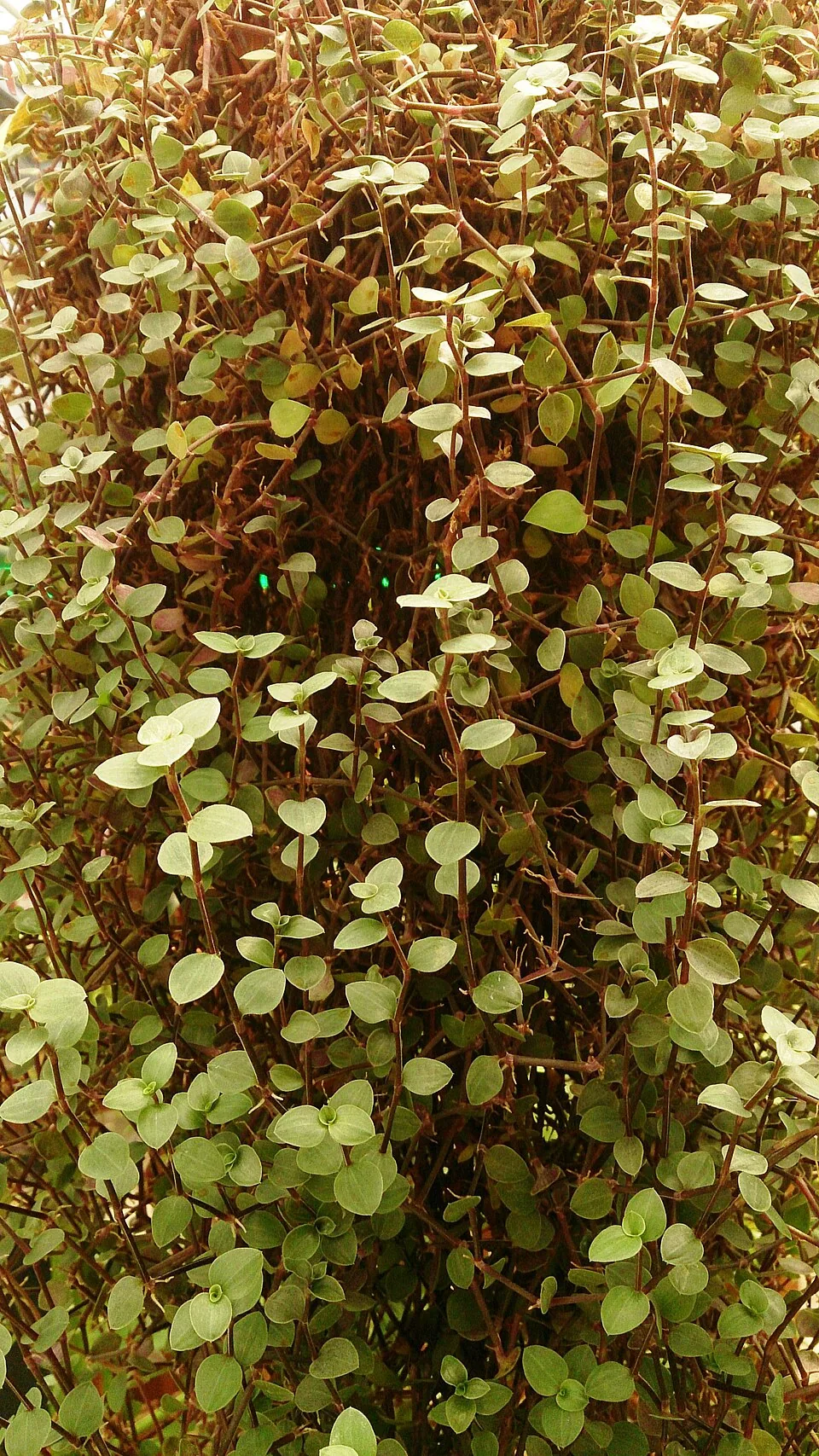
Photo : Mokkie — CC BY-SA 3.0 — source

🌱 Growing conditions
☀️ Light
Bright indirect light
💧 Watering
Water after partial drying of the substrate
🌡️ Temperature
18–27 °C
💦 Humidity
Medium
🪴 Potting mix
Light, well-draining mix
⭐ Difficulty
Easy
🌱 Growth
Fast
📏 Mature size
5–15 cm; stems 30–60 cm or more
🌿 Habit
creeping or trailing
📝 About Turtle vine
Description
A small evergreen spiderwort relative with slender creeping or trailing stems that root readily at the nodes. The small, slightly fleshy leaves quickly form a dense mat, and their undersides may turn purple in strong filtered light.
Care
Provide bright filtered light; too little light produces long sparse stems, while sudden harsh sun can scorch the leaves. Pinch tips regularly and replace old bare stems with young cuttings when the centre thins.
Repotting
Repot when roots and stems fill the container, using a pot or hanging basket with drainage holes and a light, free-draining mix. Old plants are often better renewed by potting several young cuttings together.
Propagation
Cut stem tips with several nodes, remove leaves from nodes that will touch the mix, and lay or insert them into lightly moist medium. The nodes root quickly; pot several cuttings together for a dense plant.
🐱 Toxicity
Sap may be irritating and ingestion may cause problems in some animals; keep out of reach if necessary.
🩺 Common problems
Yellow leaves
Soft yellow leaves with wet mix mainly indicate overwatering. Long, pale, sparsely leafed stems point instead to insufficient light. Basal leaves may also yellow as old stems age.
Brown leaves
Dry edges and crisp leaves mainly follow prolonged drought. Bleached areas that later brown on the exposed side suggest sun scorch. Dark brown soft stems with wet mix point toward rot.
Diseases
Callisia repens is generally disease-resistant. Stems and roots can nevertheless rot in saturated mix or containers without drainage. Remove soft tissue, reduce watering and restart from healthy cuttings if needed.
Pests
It is generally pest-resistant, but indoor plants may occasionally develop spider mites, aphids or mealybugs. Inspect young growth and leaf undersides.