Plant profile
Parlor palm
Chamaedorea elegans
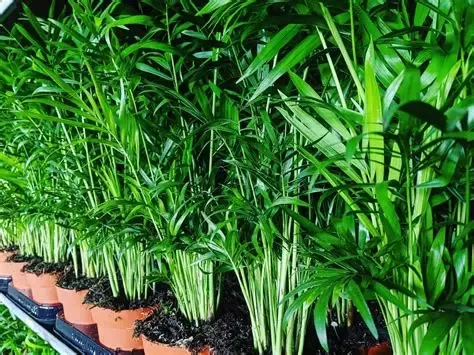
Photo : David J. Stang — CC BY-SA 4.0 — source

🌱 Growing conditions
☀️ Light
Low to bright indirect light
💧 Watering
Water after the surface has dried slightly
🌡️ Temperature
18 to 27 °C
💦 Humidity
Medium
🪴 Potting mix
Rich and well-draining
⭐ Difficulty
Easy
🌱 Growth
Slow
📏 Mature size
1 to 2 m indoors
🌿 Habit
upright
📝 About Parlor palm
Description
Chamaedorea elegans, commonly known as the parlour palm, is a small palm native to Mexico and Central America. It develops slender stems with soft green pinnate fronds, giving it a light, graceful shape that suits small indoor spaces.
It tolerates lower light better than many other palms, but it stays denser and grows better in bright indirect light. Strong direct sun, especially through glass, can bleach and then scorch the leaflets.
Commercial pots often contain several young plants grouped together to create a fuller clump quickly. Its slow growth and good tolerance of indoor conditions explain its reputation as an easy, long-lived houseplant.
Care
Keep it in indirect light, ideally fairly bright, although it can live in a dimmer room. Avoid scorching direct sun and cold or very dry draughts.
Water when the surface of the potting mix has dried slightly. Wet the root ball thoroughly, then let excess water drain away; never leave the pot standing in water for long. In winter, water less often because the mix dries more slowly.
Average household humidity is usually adequate. In very dry air, tips may brown and spider mites become more likely. Clean the fronds occasionally and apply a very dilute balanced liquid feed about once a month during active growth.
Repotting
Repot only when the roots genuinely occupy the pot or when the mix has compacted and drains less efficiently. Chamaedorea elegans grows slowly and tolerates being slightly root-bound, so it does not need annual repotting.
Choose a pot with drainage holes only slightly larger than the previous one and use a rich but airy, free-draining mix. A much larger pot keeps unnecessary moisture around the roots and increases the risk of rot.
If the pot contains several young plants, handle the root ball gently: pulling the stems apart roughly can tear away many of the fine roots.
Propagation
The natural method is seed. Chamaedorea elegans is dioecious, meaning male and female flowers are produced on separate plants, so pollination between the two sexes is required to obtain fertile seed.
A commercial pot often contains several separate young plants. A well-rooted clump can be divided at repotting by gently separating groups that each retain their own roots. By contrast, a cut stem without roots will not root like an ordinary stem cutting.
🐱 Toxicity
Generally considered non-toxic to dogs and cats.
🩺 Common problems
Yellow leaves
If several fronds turn yellow at the same time, first check the moisture in the potting mix. Mix that stays constantly wet can deprive roots of oxygen and cause progressive yellowing. Let it dry more and make sure water drains freely.
Very low light can also pale the foliage and slow growth sharply. Move the plant gradually to brighter indirect light.
A single old lower frond turning yellow may simply be reaching the end of its life. Cut it near the base once it is fully yellow or dry.
Brown leaves
Dry brown tips are common when the air is very dry, watering is irregular or the water is very mineral-rich. Avoid alternating long droughts with overwatering and, if your tap water is very hard, use lower-mineral water from time to time when possible.
Bleached areas that later turn brown on the window-facing side point more toward excessive direct sun. Move the plant farther from the glass or filter the light.
If brown areas are soft and the potting mix remains wet or smells unpleasant, inspect the roots: rot is then more likely than simple low humidity.
Diseases
Root rot is the main indoor disease problem when the potting mix stays wet continuously or the pot stands in water. Useful signs include spreading yellowing, stalled growth, an unusual smell and brown or soft roots. Remove damaged tissue and repot into a healthy, free-draining mix if necessary.
A disease known as false smut or black smut can also cause dark leaf spots, but it is far less common indoors. Avoid keeping foliage wet for long periods and remove heavily affected fronds if it appears.
Pests
Watch mainly for red spider mites, scale insects and thrips. Spider mites cause fine pale stippling and sometimes delicate webbing; scale insects leave bumps, shells or sticky honeydew; thrips may create silvery scarring and distort young leaflets.
Inspect the undersides of fronds, veins, leaf bases and young growth regularly. Isolate an infested plant promptly and begin by removing visible pests mechanically before treating further if necessary.