Plant profile
Goldfish plant
Columnea gloriosa
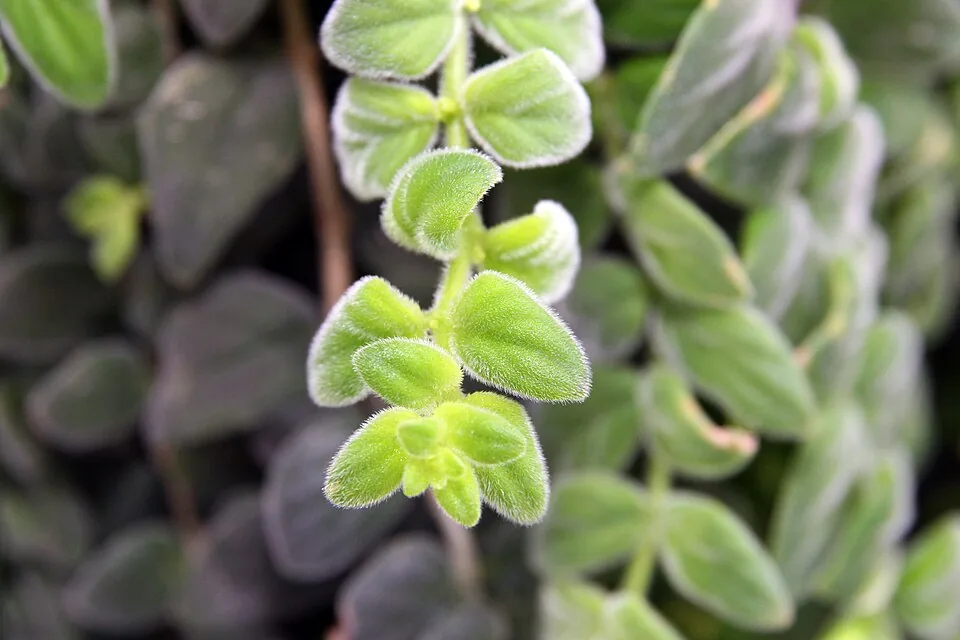
Photo : Photo by David J. Stang — CC BY-SA 4.0 — source

🌱 Growing conditions
☀️ Light
Bright indirect light
💧 Watering
Water when the surface begins to dry
🌡️ Temperature
18–26 °C
💦 Humidity
Medium to high
🪴 Potting mix
Humus-rich, airy and well-draining mix
⭐ Difficulty
Moderate
🌱 Growth
Moderate
📏 Mature size
trailing stems 60 cm to 1 m or more
🌿 Habit
trailing
📝 About Goldfish plant
Description
Trailing epiphyte with often velvety leaves and showy red or orange flowers; especially decorative in hanging baskets.
Care
Grow in bright filtered light with steady warmth and good ambient humidity. Avoid scorching sun, cold drafts and standing water. Water when the upper layer starts to dry, then drain thoroughly. After flowering, lightly shorten stems to encourage branching.
Repotting
Repot only when roots have filled the container, using a small pot or hanging basket with drainage holes. Choose a very airy mix that holds some moisture without staying waterlogged.
Propagation
Take non-flowering stem cuttings with several nodes during active growth. Remove leaves from the buried node and insert into a light, warm mix kept only slightly moist. Several cuttings in one pot quickly make a fuller hanging plant.
🐱 Toxicity
Ingestion of ornamental plants is discouraged; keep away from animals that chew foliage.
🩺 Common problems
Yellow leaves
Soft yellow leaves with constantly wet mix mainly indicate overwatering. Pale foliage and poor flowering can also reflect insufficient light. A sudden chill may cause yellowing and leaf drop.
Brown leaves
Brown tips or patches are mainly caused by air that is too dry, a prolonged lack of water or excessively strong direct sun. Stabilize moisture in the potting mix and move the plant away from scorching window glass.
Diseases
Root rot develops mainly in compact or saturated mix; botrytis is favoured by flowers and leaves staying wet with little air movement. Remove affected tissue, reduce substrate moisture and improve ventilation.
Pests
Watch for mealybugs, aphids, thrips and spider mites. Check young shoots, leaf axils and flowers, and isolate an affected plant to limit spread.