Plant profile
Compacta Dumb Cane
Dieffenbachia 'Compacta'
🌱 Growing conditions
☀️ Light
Bright indirect light; strongly variegated cultivars keep better contrast in a bright room.
💧 Watering
Water when the top 2–4 cm of mix is dry; never leave the pot standing in water.
🌡️ Temperature
18–27 °C; avoid prolonged temperatures below 15 °C.
💦 Humidity
Average to high; routine leaf misting is unnecessary.
🪴 Potting mix
Rich but airy and free-draining, with houseplant mix plus perlite or pumice.
⭐ Difficulty
Easy to moderate
🌱 Growth
Moderate
📏 Mature size
40–70 cm indoors
🌿 Habit
compact, dense and upright
📝 About Compacta Dumb Cane
Description
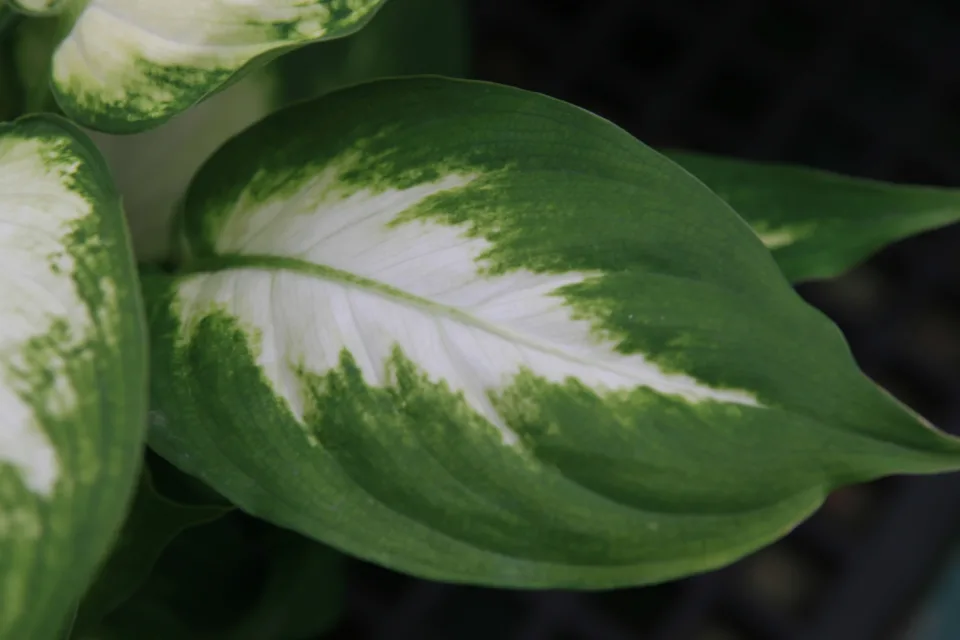
Cultivar selected for a lower, denser habit than large Dieffenbachias, with green leaves heavily mottled or marbled with cream.
The foliage pattern is not merely decorative: a plant kept too far from a window often produces less contrasted leaves and the pot dries more slowly, making overwatering easier.
Dieffenbachia grows on fleshy stems that gradually lose lower leaves. An over-tall plant can be cut back; the stump may reshoot below the cut and the top can be rooted as a cutting.
Care
Grow in medium to bright indirect light and protect from scorching direct sun. Water when the upper few centimetres have dried, wet the entire root ball and let excess drain.
In winter, extend the interval instead of following a fixed schedule. Wipe the leaves and feed very lightly during active growth.
Wear gloves for substantial pruning because the sap can irritate skin, eyes and mucous membranes.
Repotting
Repot when roots genuinely fill the pot or the mix compacts and drains poorly. Choose a container with drainage holes only a few centimetres wider.
An oversized pot keeps unused soil wet around the roots. Keep the stem bases at the same depth and use an airy mix.
Propagation
Root a top cutting with several nodes or use sections of cane. On cane cuttings, preserve the top/bottom orientation: an inverted segment roots poorly or not at all.
Let sap flow stop before setting the cutting in a light, warm, slightly moist medium. The remaining stump can make new shoots.
🐱 Toxicity
Highly irritating and toxic if ingested: the sap contains calcium oxalate crystals. Keep away from children and pets.
🩺 Common problems
Yellow leaves
Several yellow leaves with still-wet mix usually indicate too much water or poor root aeration. One old lower leaf yellowing alone can simply be reaching the end of its life.
If new leaves lose variegation and internodes lengthen, gradually increase indirect light.
Brown leaves
Dry brown tips may come from irregular watering, very dry air or salt buildup. Occasionally flush the mix thoroughly and let it drain.
Pale then brown window-facing areas suggest sunburn. Brown soft tissue near the base warrants a check for rot.
Diseases
Root or stem-base rot develops mainly when the mix stays wet, especially in cool conditions. Remove soft tissue and repot in clean airy mix if needed.
Leaf spots are favoured when foliage stays wet for long periods with little air movement.
Pests
Watch for mealybugs/scale, spider mites and thrips. Mealybugs hide in axils; mites cause fine stippling; thrips can leave silver scars and distort new leaves.
Isolate an infested plant promptly and inspect young leaves while still rolled.