Plant profile
Fishbone cactus
Disocactus anguliger
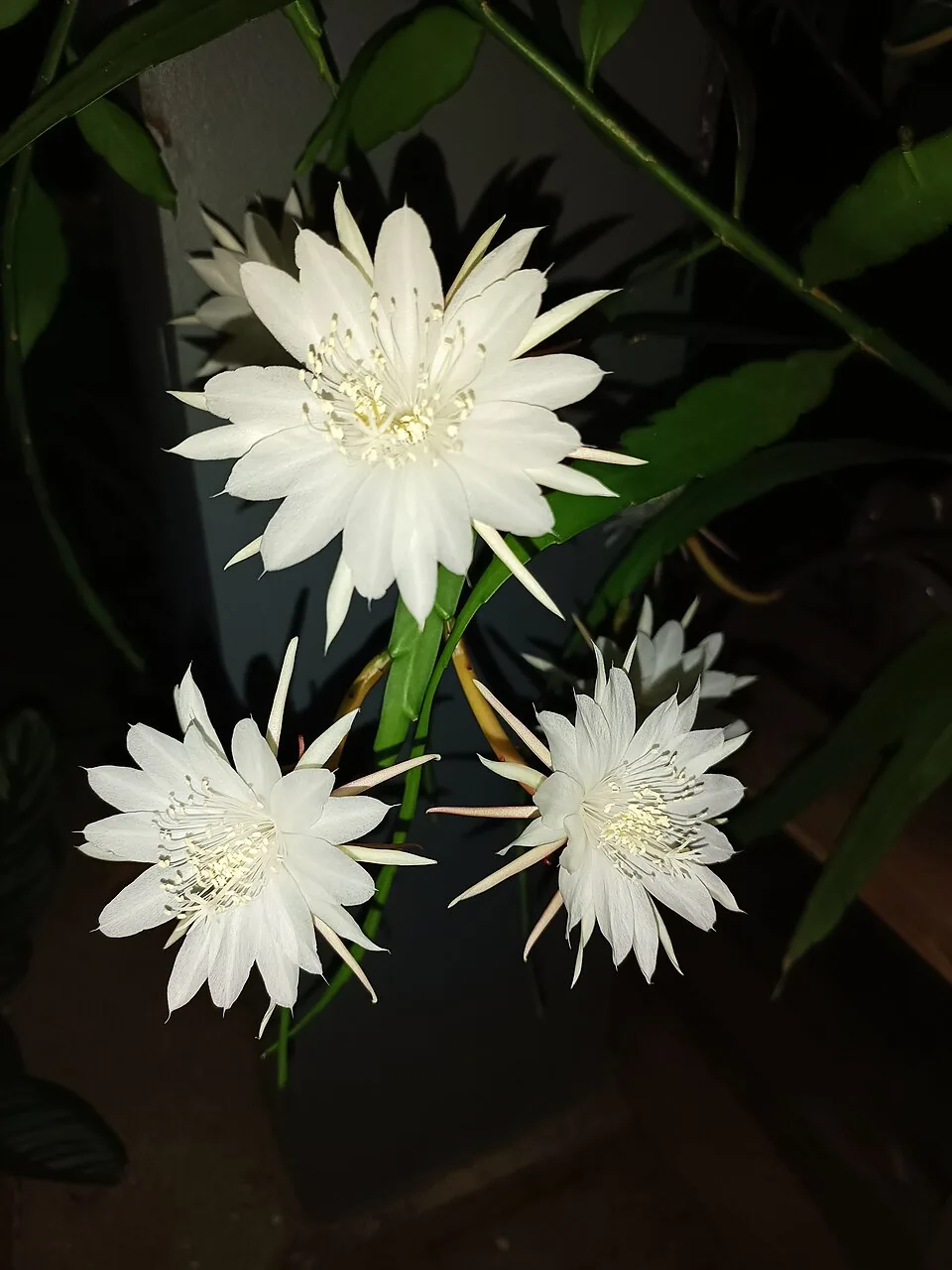
Photo : Wahyu agungj — CC BY-SA 4.0 — source

🌱 Growing conditions
☀️ Light
Bright indirect or filtered light; avoid intense direct sun
💧 Watering
Water moderately during growth when the mix begins to dry; reduce in winter
🌡️ Temperature
15 to 27 °C indoors; protect from cold and frost
💦 Humidity
Medium to high
🪴 Potting mix
Light, fertile, airy and very well-draining mix for epiphytic cacti
⭐ Difficulty
Easy to moderate
🌱 Growth
Moderate
📏 Mature size
trailing stems 60 cm to 1.5 m
🌿 Habit
trailing
📝 About Fishbone cactus
Description
Disocactus anguliger, commonly called the fishbone cactus, is a cactus native to Mexico. It is grown mainly for its long, flattened, deeply lobed stems whose distinctive shape resembles a fish skeleton or zigzag.
Young stems are initially fairly upright, then gradually become trailing as they lengthen, making the plant particularly well suited to hanging baskets and pots placed high up.
At maturity and under good conditions, Disocactus anguliger can produce large, pale, fragrant flowers. Despite belonging to the cactus family, its needs differ from those of desert species: it prefers filtered light and an airy mix that retains a little moisture without ever remaining waterlogged.
Care
Provide bright filtered light, with gentle sun only where the source allows it. Water during growth when the substrate begins to dry, then let excess water drain completely. Reduce watering when growth slows and avoid both standing water and prolonged extreme drought.
Repotting
Repot when roots fill the container or the mix becomes compact. Use a pot with drainage holes only slightly larger and a light, airy, very well-draining mix suited to epiphytic cacti.
Propagation
Propagate by healthy stem cuttings with several segments. Let cut surfaces dry briefly if needed, then root in a light, airy medium kept only slightly moist.
🐱 Toxicity
Avoid ingestion; keep out of reach of children and animals until species-specific toxicity has been validated.
🩺 Common problems
Yellow leaves
These plants have reduced or no true leaves; yellowing of green stems or segments usually calls for checking excess water, drainage, root condition and light.
Brown leaves
Dry brown stem portions can follow excessive drought or overly strong sun. Brown soft tissue instead points toward excess moisture or developing rot.
Diseases
Disocactus anguliger is generally little affected by disease when grown in a well-draining mix. The main indoor risk is root or stem rot caused by persistent moisture. Remove badly affected parts and, if necessary, repot into fresh, airy potting mix.
Pests
Mealybugs and scale insects can hide among stem junctions; inspect regularly, and watch for spider mites or aphids where noted.