Plant profile
Madagascar dragon tree
Dracaena marginata
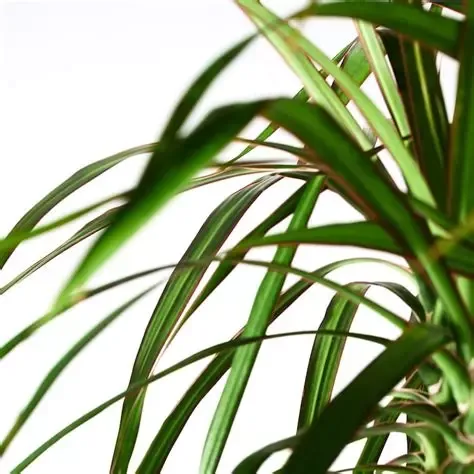
Photo : Forest & Kim Starr — CC BY 3.0 — source

🌱 Growing conditions
☀️ Light
Bright indirect light; tolerates medium light
💧 Watering
Moderate: allow part of the potting mix to dry before watering
🌡️ Temperature
18 to 26 °C
💦 Humidity
Normal to moderate humidity
🪴 Potting mix
Light, well-draining potting mix
⭐ Difficulty
Easy
🌱 Growth
Slow to moderate
📏 Mature size
1.5 to 2.5 m indoors
🌿 Habit
upright
📝 About Madagascar dragon tree
Description
Dracaena marginata, commonly called Madagascar dragon tree, is recognized by its long, narrow, arching leaves clustered at the tops of woody stems. As it ages, lower leaves naturally fall, revealing slender trunks that give it a palm-like silhouette. It is robust and relatively easy to grow, adapting well to indoor conditions. It prefers bright indirect light but tolerates medium light, usually with slower growth and less dense foliage. Older plants can become substantial while retaining a narrow footprint.
Care
Keep in bright light without intense direct sun. Medium light is tolerated, but brighter conditions support steadier growth. Let part of the mix dry between waterings and always empty standing water from the saucer or cachepot. Water less often in winter. Wipe the leaves occasionally and rotate the pot from time to time for balanced growth.
Repotting
Repot preferably in spring when roots fill much of the pot or emerge from drainage holes. Use a pot with drainage holes only slightly larger than the previous one and a light, well-draining mix. For large specimens that are difficult to handle, replacing the top layer of potting mix can refresh the substrate between full repottings.
Propagation
Propagate from tip cuttings or stem sections. A cut stem can produce new shoots below the cut, while the removed section can be rooted in water or a light potting mix. Keep cuttings warm and in indirect light while rooting. This method can also rejuvenate a plant that has become too tall or bare.
🐱 Toxicity
Toxic to cats and dogs if ingested. Chewing the leaves may cause vomiting, drooling, loss of appetite or lethargy, so keep the plant out of reach of pets.
🩺 Common problems
Yellow leaves
Occasional yellowing of the oldest leaves at the base of the rosettes is part of normal aging. If many leaves yellow at once, check watering first: constantly wet mix and poor drainage can damage roots. Low light or prolonged cold can also weaken the plant.
Brown leaves
Brown tips are common. Very dry air, irregular watering or mineral-salt buildup in the potting mix can contribute. Water quality may also matter because Dracaena can be sensitive to some compounds in tap water. Intense direct sun can also cause dry or bleached areas.
Diseases
The main cultivation problem is root or stem-base rot when the potting mix remains wet too long. Affected plants may develop yellow leaves, slow growth or soft tissue. Allow the mix to dry more, inspect the roots and repot in fresh, well-draining mix if needed. Never leave water standing in the cachepot.
Pests
Scale insects, mealybugs and spider mites can occur, especially in warm, dry air. Regularly inspect leaf undersides, leaf bases and new growth. Isolate infested plants and act promptly. Regular leaf cleaning also makes pests easier to detect.