Plant profile
Laurentii Snake Plant
Dracaena trifasciata 'Laurentii'
🌱 Growing conditions
☀️ Light
Bright indirect light; adapt watering to actual drying of the pot.
💧 Watering
Water according to the drying threshold stated for this plant and always drain excess.
🌡️ Temperature
16–30 °C; avoid le froid humide.
💦 Humidity
Low to average.
🪴 Potting mix
Very free-draining succulent-type mix with a high mineral content.
⭐ Difficulty
Very easy
🌱 Growth
Slow to moderate
📏 Mature size
60–100 cm indoors
🌿 Habit
upright / characteristic cultivar habit
📝 About Laurentii Snake Plant
Description
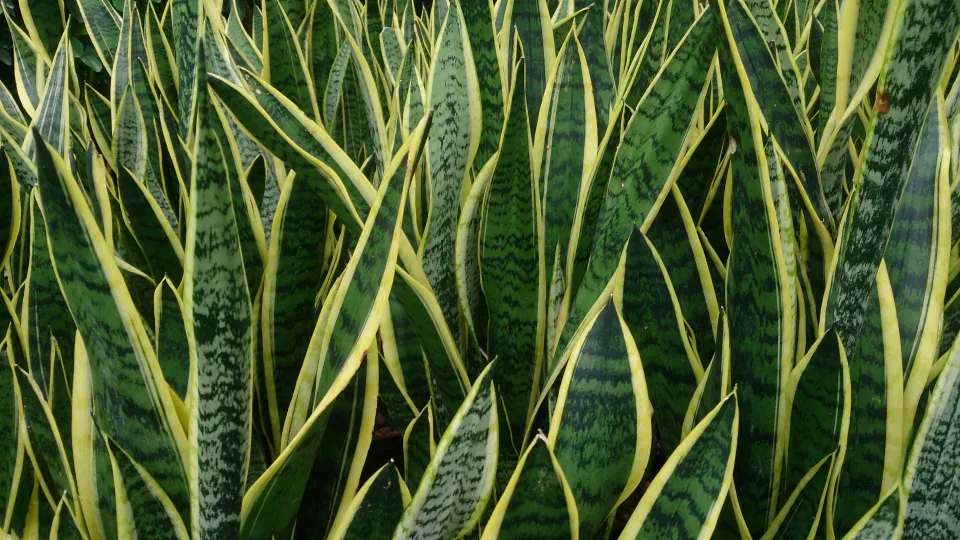
The well-known snake plant with thick, upright leaves marbled in green and edged in yellow. It is one of the classic indoor plants most tolerant of drought.
The thick leaves and rhizomes store water. The plant can tolerate several weeks of drought far better than repeated overwatering.
Low light is tolerated, but it should not be used as a reason to water often: the less light the plant receives, the longer the pot should be allowed to dry between waterings.
Care
Place it in medium to bright indirect light, although it can tolerate a darker position. Water only when the pot is almost dry all the way through, then let it drain completely.
In winter, the interval between waterings can become very long. Wipe the leaves clean and avoid standing water in the centre of the rosettes.
Repotting
Repot only when roots genuinely occupy the pot or the mix has compacted. Move up only slightly in container size and keep stems, rhizomes or crowns at their previous depth.
An oversized pot stays wet too long and is a common cause of root problems.
Propagation
Use the method appropriate to the plant: stem cuttings for Ficus, Syngonium and Tradescantia; plantlets or division for Chlorophytum; cane sections for Yucca and Dracaena; rhizome division for snake plants. Preserve a viable node, growth point or rooted section as required.
🐱 Toxicity
Toxic to dogs and cats if ingested.
🩺 Common problems
Yellow leaves
Several yellow leaves while the mix is still wet usually indicate excess water or poor root aeration. One old lower leaf may yellow naturally. Also check light when growth becomes weak or stretched.
Brown leaves
Dry tips or edges usually point to irregular watering, very dry air or mineral/salt buildup. Bleached then brown window-facing patches suggest excessive direct sun. Soft dark tissue is more concerning for rot.
Diseases
The main indoor disease risk is rot caused by a mix that stays wet too long, especially in cool conditions. Remove soft damaged tissue and improve drainage and airflow when needed.
Pests
Occasional scale insects and spider mites. Inspect the leaf bases and new shoots.