Plant profile
Areca palm
Dypsis lutescens
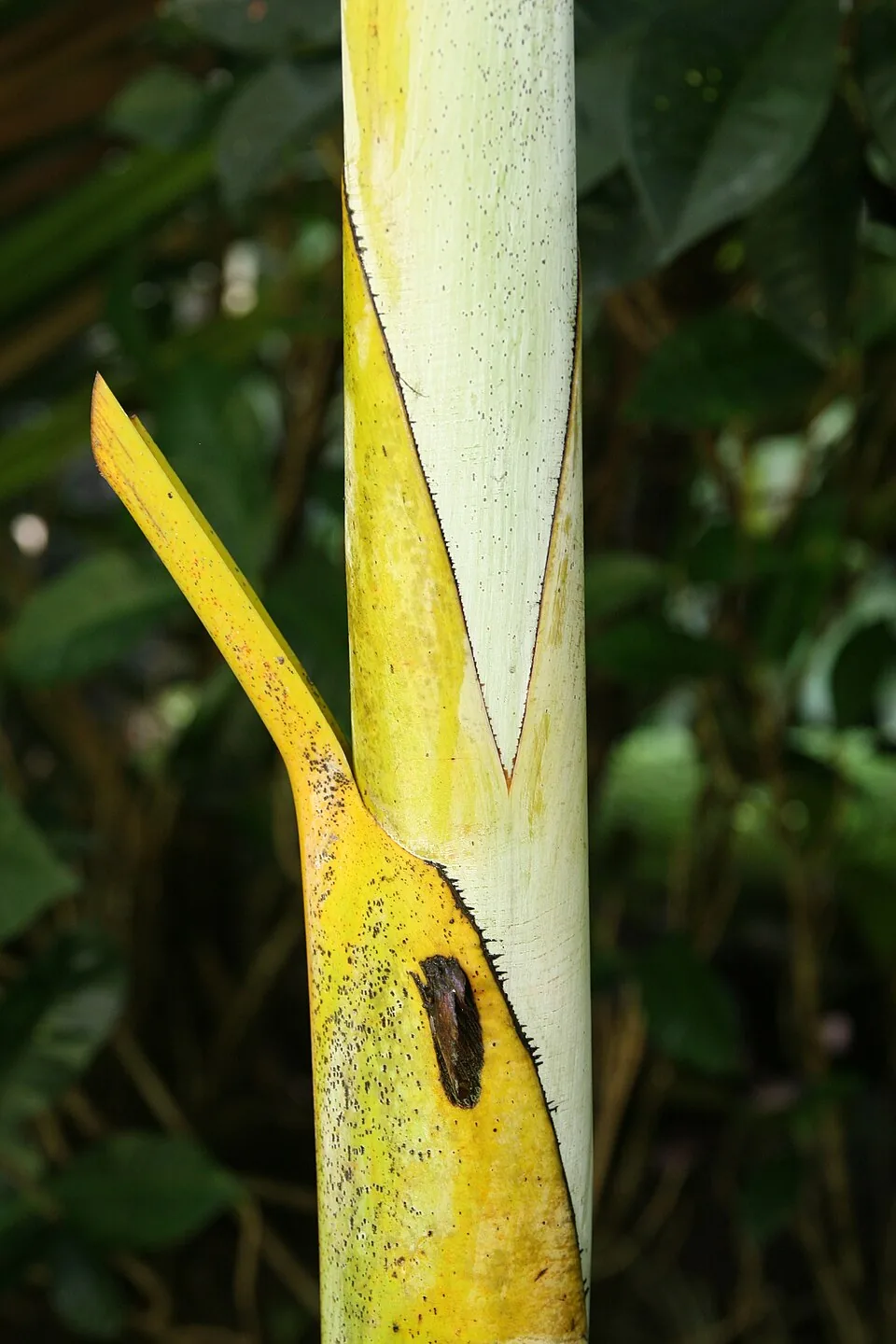
Photo : Photo by David J. Stang — CC BY-SA 4.0 — source

🌱 Growing conditions
☀️ Light
Bright indirect light
💧 Watering
Keep moderately moist without standing water
🌡️ Temperature
18 to 27 °C
💦 Humidity
Medium to high
🪴 Potting mix
Rich and well-draining
⭐ Difficulty
Moderate
🌱 Growth
Moderate
📏 Mature size
1.5 to 3 m indoors
🌿 Habit
clumping and upright
📝 About Areca palm
Description
Areca palm is a clumping palm from Madagascar with many yellow-green canes and arching fronds. The name Dypsis lutescens remains widely used in horticulture, although Kew currently accepts the species as Chrysalidocarpus lutescens.
Indoors it needs plenty of light to remain dense. Commercial pots often contain several young palms grouped together, so the canes are not branches of one trunk; a cane that is cut off will not regrow a new crown from the cut section.
Care
Place it in the brightest position available without suddenly exposing it to scorching sun through glass. Water thoroughly when the top few centimetres have dried, then empty the saucer. It appreciates a lightly moist root ball during active growth but dislikes permanently saturated compost.
Reasonable air humidity reduces dry tips and spider mites, but misting cannot compensate for a dry root ball. Rotate the pot occasionally for even growth and remove only fronds that are completely yellow or dry.
Repotting
Repot when roots form a dense mass or the pot becomes unstable, usually in spring. Use a deep, heavy pot with drainage holes, only slightly wider than the old one. Avoid breaking up the root ball unnecessarily: palm roots tolerate rough handling less well than those of many herbaceous houseplants.
Propagation
Seed is the normal botanical method but is slow. Because commercial pots often contain several seedlings, part of the clump can sometimes be separated, but this easily damages roots and is not recommended on a good established specimen. A cut cane does not produce a new crown.
🐱 Toxicity
Generally considered non-toxic to dogs and cats.
🩺 Common problems
Yellow leaves
One older outer frond that slowly yellows may simply be reaching the end of its life. Several fronds yellowing together require a moisture check: constantly wet compost suggests excess water or oxygen-starved roots; very dry compost suggests drought. A generally pale plant with small, widely spaced new fronds often lacks light or nutrients.
Brown leaves
Dry tips on many leaflets are often linked to dry air, salt build-up or irregular watering. Well-defined dry patches on the window side are more suggestive of abrupt sun exposure. Leaflets browning from their base together with wet, foul-smelling compost should prompt a root check.
Diseases
Root rot occurs mainly when the pot remains saturated and cool. Stalled growth, several yellow fronds and dark brown or soft roots justify immediately reducing watering and checking drainage. Leaf spots are encouraged by foliage that stays wet and poor air movement.
Pests
Spider mites are especially common in hot, dry air: fine pale stippling, a greyish look and later delicate webbing on leaflet undersides are typical. Scale insects settle along veins and canes. Also inspect newly emerging fronds while they are still folded.