Plant profile
Agave-leaved echeveria
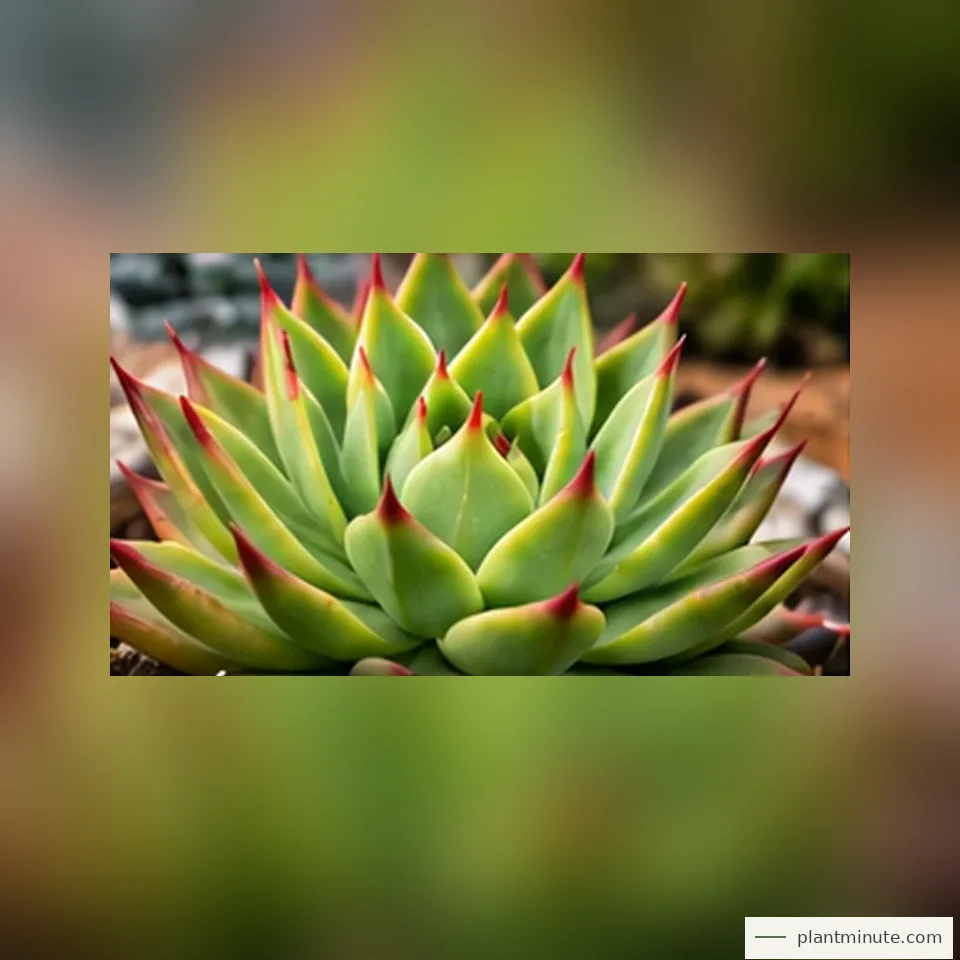
Echeveria agavoides
🌱 Growing conditions
☀️ Light
Several hours of sunshine after gradual acclimation; a very bright window.
💧 Watering
Water thoroughly, then allow the entire mix to dry deeply before watering again; reduce sharply in winter.
🌡️ Temperature
Tolerates dry heat; protect against frost and prolonged cold, damp conditions.
💦 Humidity
Low to moderate; provide good air circulation.
🪴 Potting mix
Very free-draining, mineral-rich mix in a pot with drainage holes.
⭐ Difficulty
Easy in bright light
🌱 Growth
Moderate
📏 Mature size
10–20 cm tall, with a wider rosette
🌿 Habit
Succulent rosette
📝 About Agave-leaved echeveria
Description
An elongating, pale rosette often indicates insufficient light.
This succulent forms a tight rosette of thick leaves, often with more colourful tips. If leaves spread apart and the stem elongates, insufficient light is generally more likely than lack of fertiliser.
Care
A rare, highly diluted cactus feed during active growth. Translucent, soft leaves at the base: suspect rot. Stretched rosette: increase light gradually. Do not leave water sitting in the centre of the rosette in cold conditions.
Place close to a bright window and introduce sunshine gradually. Water thoroughly, then let the mix dry well; avoid water sitting in the rosette centre, especially in cool conditions.
Repotting
Repot only when necessary; handle without rubbing off the leaves' natural powdery bloom.
Choose a well-drained, fairly snug pot with a high proportion of mineral material. After roots have been damaged, avoid immediately saturating the mix with water.
Propagation
Separate offsets; leaf cuttings may work but are not consistently successful.
Separate offsets with a viable base, or try a cleanly removed whole leaf if appropriate. Allow the wound to dry before laying the cutting on nearly dry medium.
🐱 Toxicity
Echeverias are generally regarded as low risk to cats and dogs, but discourage chewing and repeated ingestion.
🩺 Common problems
Yellow leaves
Yellow, translucent, soft lower leaves usually indicate overwatering. Gradually drying lower leaves during growth can be normal.
Brown leaves
Dry brown patches on the sun-facing side suggest sunburn after an abrupt move. Soft patches near the centre need a rot check.
Diseases
Crown rot often follows trapped water in the rosette and poor drainage. Remove damaged tissue and restore fast drainage.
Pests
Mealybugs hide between tightly packed leaves. Check the centre of the rosette and isolate an infested plant.