Plant profile
Banyan tree
Ficus benghalensis
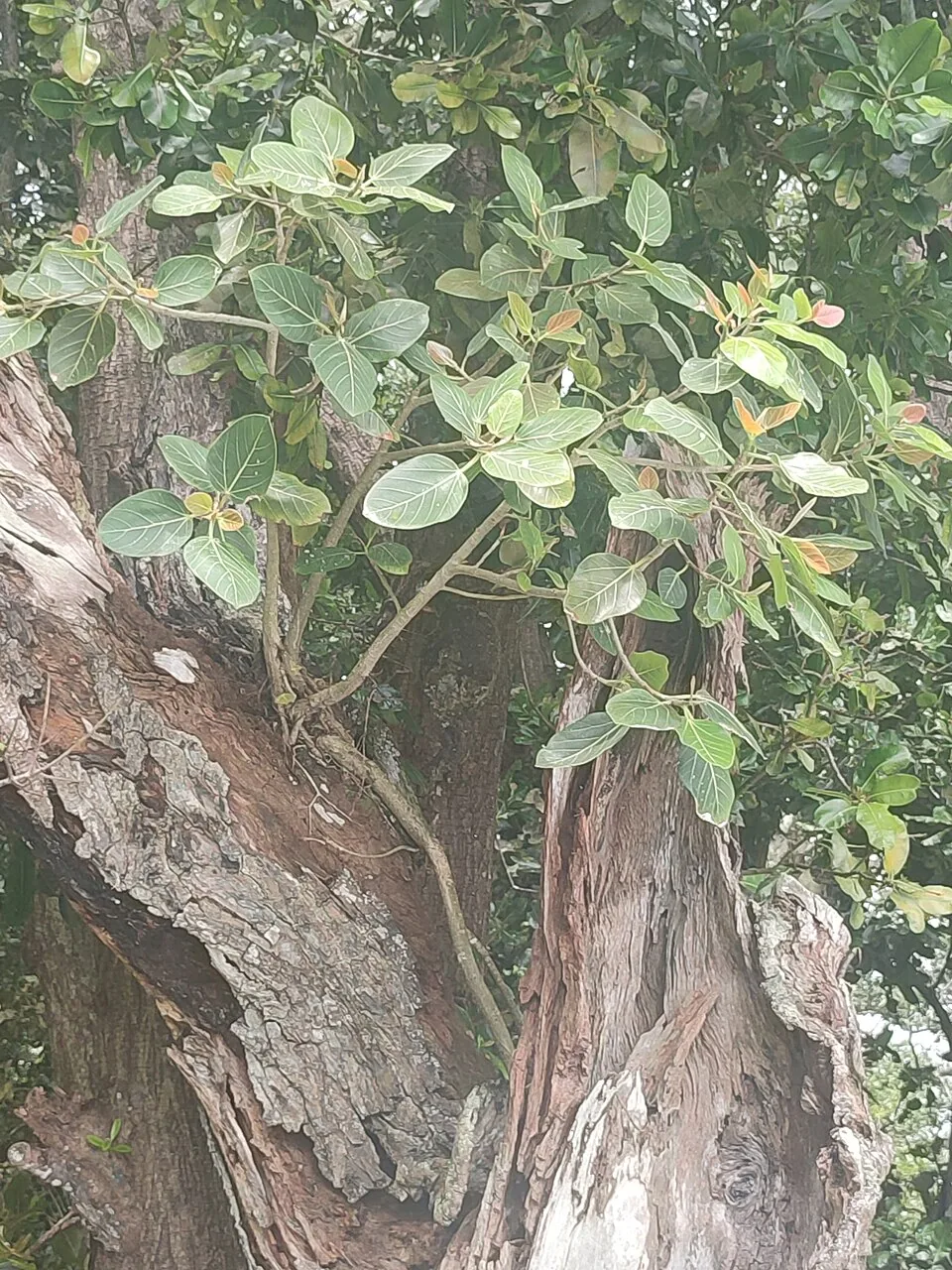
Photo : Quentin Groom — CC0 — source

🌱 Growing conditions
☀️ Light
Bright indirect light; protect from scorching sun.
💧 Watering
Water when the first few centimeters of potting mix begin to dry, without leaving standing water.
🌡️ Temperature
18 to 27 °C
💦 Humidity
Medium to high
🪴 Potting mix
Rich, airy and well-draining.
⭐ Difficulty
Moderate
🌱 Growth
Moderate to fast
📏 Mature size
1.5 to 3 m indoors
🌿 Habit
tree-like
📝 About Banyan tree
Description
Ficus benghalensis is the Indian banyan; indoors it is usually grown as a young tree with large, matte, oval, strongly veined leaves. In nature the species produces aerial roots that can become secondary trunks. In a pot its form is simpler, but it needs very bright light to keep internodes short.
Care
Bright indirect light; protect from scorching sun. Water when the first few centimeters of potting mix begin to dry, without leaving standing water. Above all, avoid abrupt changes in conditions and check the root ball before watering again.
After moving Ficus benghalensis, avoid changing watering, light and pruning all at once; let the plant stabilise first, because leaf drop can simply be a response to the change.
Repotting
Repot when roots truly fill the container or the potting mix has degraded. Choose a pot with drainage holes only slightly larger and use a rich, airy, well-draining mix. An unnecessarily large pot retains moisture around the roots for longer.
A large Ficus benghalensis does not need full repotting every year; if the roots are healthy and the pot remains stable, replacing a few centimetres of topsoil can be enough between full repots.
Propagation
Stem or shoot cuttings, using a method suited to how woody the shoots are.
A cutting of Ficus benghalensis must contain a genuine stem section with a node; wipe away flowing latex, then keep the cutting warm in bright indirect light and an airy rooting medium.
🐱 Toxicity
Toxic to dogs and cats. Ficus plants have irritating latex sap; ingestion can cause digestive upset and contact with the sap may irritate the skin.
🩺 Common problems
Yellow leaves
Ficus benghalensis can yellow or lose leaves after a sudden change of location, as well as from an irrigation imbalance. Check the root ball before moving the plant again or changing all its care.
Brown leaves
On Ficus benghalensis, dry edges can accompany an overly dry root ball or very hot air. Dark spots with moist potting mix instead suggest checking the roots.
Diseases
Prolonged excess water can damage the roots of Ficus benghalensis. Interpret leaf drop together with the actual state of the potting mix rather than automatically adding water.
Pests
Scale insects and spider mites are common on Ficus. On Ficus benghalensis, examine veins, petioles and young shoots; sticky secretions may reveal sap-sucking insects.