Plant profile
Exotica Weeping Fig
Ficus benjamina 'Exotica'
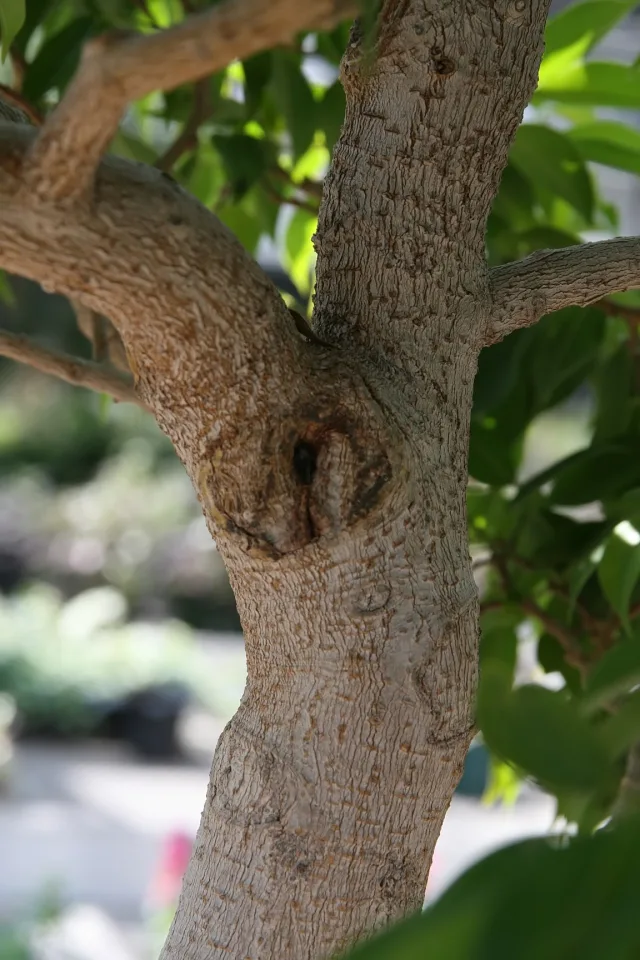
🌱 Growing conditions
☀️ Light
Bright indirect light; avoid abrupt changes in exposure.
💧 Watering
Water when the top 2–4 cm has dried.
🌡️ Temperature
18–27 °C; avoid temperatures below 15 °C and cold draughts.
💦 Humidity
Average.
🪴 Potting mix
Rich, loose and well-drained.
⭐ Difficulty
Moderate
🌱 Growth
Moderate
📏 Mature size
1.5–2 m indoors
🌿 Habit
drooping to tree-like, highly branched
📝 About Exotica Weeping Fig
Description
Cultivar with a flexible drooping habit and narrow glossy dark-green leaves, gradually forming a highly branched small tree.
Like other Ficus benjamina, this cultivar reacts strongly to changes of place, light or temperature. Leaf drop after moving it does not automatically mean it needs more water.
Once established in a bright stable position, it can live for many years and responds well to regular pruning.
Care
Choose a bright stable position and avoid unnecessary moves. Water when the upper layer is dry, soaking the root ball and letting excess drain.
In winter adjust watering to actual drying. Prune in spring to control height or encourage branching; wear gloves if sensitive to latex.
Repotting
Repot when roots clearly fill the pot, usually every two to three years on an established plant. A container only a few centimetres wider is enough.
Older specimens can be top-dressed when a full repot becomes difficult.
Propagation
Propagate from semi-ripe stem cuttings with several nodes. Wipe away latex after cutting and root warm in bright indirect light.
Air layering is useful on a thicker branch because it stays attached to the mother plant until roots form.
🐱 Toxicity
Irritating latex; toxic to dogs and cats if ingested.
🩺 Common problems
Yellow leaves
General yellowing with wet mix often means overwatering. Some yellow or even green leaf drop after a move can be a temporary stress response.
If new growth is weak with long internodes, increase light.
Brown leaves
Dry edges indicate irregular watering or very dry air. Pale then brown patches facing the window suggest abrupt direct sun.
Dark-brown spots together with bad-smelling mix justify checking the roots.
Diseases
Root rot develops in continuously wet mix. Leaf spots may appear when foliage stays wet in poorly ventilated air.
Stabilising light, temperature and watering is often more useful than adding treatments.
Pests
Scale/mealybugs, spider mites and thrips. Inspect leaf undersides and young twigs.
Sticky honeydew, sooty mould, fine stippling or distorted new leaves often reveal an infestation early.