Plant profile
Weeping fig
Ficus benjamina
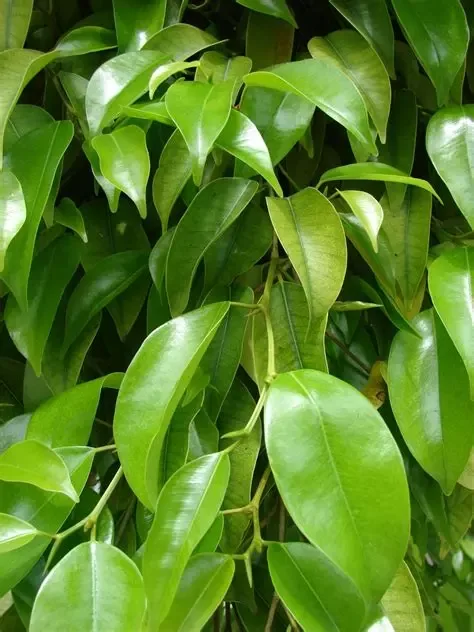
Photo : John Robert McPherson — CC BY-SA 4.0 — source

🌱 Growing conditions
☀️ Light
Bright indirect light; stable position
💧 Watering
Allow the mix to dry slightly between waterings
🌡️ Temperature
18 to 27 °C
💦 Humidity
Medium
🪴 Potting mix
Fertile and well-draining
⭐ Difficulty
Moderate
🌱 Growth
Fast
📏 Mature size
1.5 to 3 m indoors
🌿 Habit
tree-like
📝 About Weeping fig
Description
Small tropical tree with fine, arching foliage that can become a large indoor specimen. It often reacts to abrupt environmental changes.
Care
Keep in bright indirect light and avoid frequent moves. Water when the top few centimetres of mix have dried, then empty the saucer. Leaf drop after a change of location is common; stabilise light, temperature and watering before making further changes.
Repotting
Repot in spring when roots fill the pot. Use a well-draining mix and increase container size only moderately.
Propagation
Propagate from stem cuttings kept warm, preferably in spring or summer, or by air layering a stronger branch. Steady warmth and moisture improve rooting.
🐱 Toxicity
Toxic to dogs and cats if ingested; the latex sap can also irritate skin and mucous membranes. Keep out of reach and wear gloves if your skin is sensitive.
🩺 Common problems
Yellow leaves
If several leaves yellow while the mix remains wet, suspect overwatering or poorly aerated roots. If the mix is dry and the leaves are limp, underwatering is more likely. A single older leaf may yellow naturally.
Brown leaves
Dry, crisp edges point to very dry air or prolonged drought; pale-to-brown patches on the window-facing side suggest sun scorch. Dark, soft patches with wet mix can indicate root trouble, so check drainage and the roots.
Diseases
The main risk is root rot in persistently wet mix; leaf spots are favoured by wet foliage and poor air circulation. If heavy leaf drop occurs with a waterlogged or foul-smelling root ball, inspect the roots, remove rotten tissue and repot into an airy, well-draining mix.
Pests
Check for scale insects, mealybugs and spider mites, especially under leaves and around nodes. Isolate an infested plant, remove visible colonies and recheck regularly.