Plant profile
Creeping fig
Ficus pumila
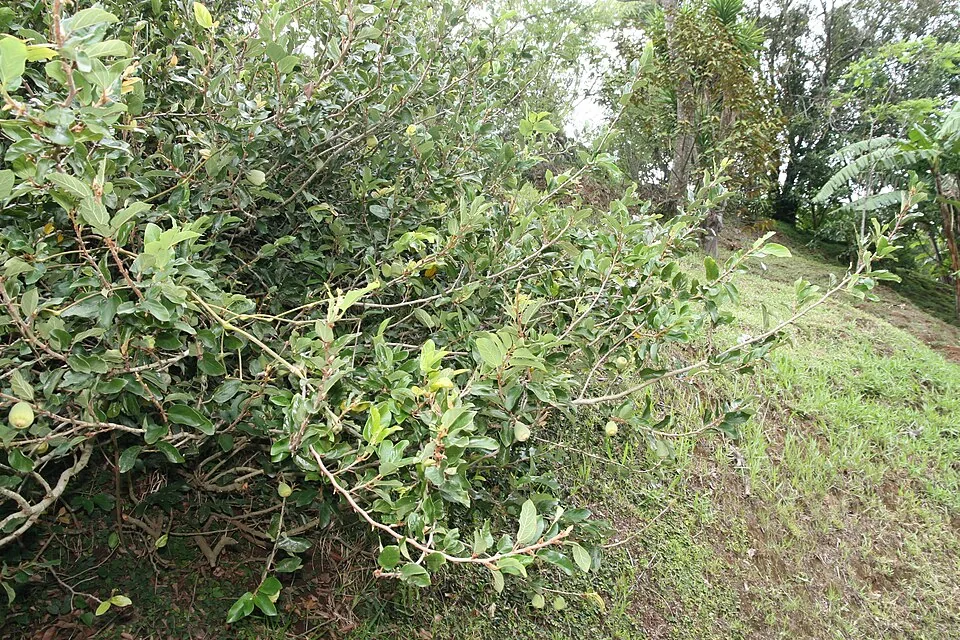
Photo : David J. Stang — CC BY-SA 4.0 — source

🌱 Growing conditions
☀️ Light
Bright to medium indirect light. Variegated forms need more light. Gentle morning sun is fine, but avoid hot sun through glass.
💧 Watering
Keep the mix lightly moist during active growth. Water when the surface starts to dry, without letting the root ball dry out completely or sit in water.
🌡️ Temperature
15 to 26 °C
💦 Humidity
Medium to high
🪴 Potting mix
Use a soft, draining houseplant mix with perlite or fine bark. It should retain some moisture while remaining airy.
⭐ Difficulty
Moderate
🌱 Growth
Fast
📏 Mature size
1 to 3 m or more depending on support
🌿 Habit
climbing or trailing
📝 About Creeping fig
Description
Creeping Ficus with small heart-shaped leaves, able to trail or cling to a support with adhesive roots. Young shoots look much finer than the adult foliage.
Care
Prune stems when they become too long and provide a support if you want it to climb. Young foliage appreciates reasonable humidity and regular watering.
Repotting
Repot in spring when roots occupy the container.
Propagation
Stem cuttings with several nodes, easy to root.
🐱 Toxicity
The latex sap may be irritating; avoid ingestion by children and animals.
🩺 Common problems
Yellow leaves
Drought or excess water.
Brown leaves
Yellow, soft leaves often indicate too much water. Yellowing with leaf drop on a dry root ball suggests lack of water or very dry air.
Diseases
Root rot if the mix remains saturated.
Pests
Scale insects and spider mites.