Plant profile
Triangle ficus
Ficus triangularis
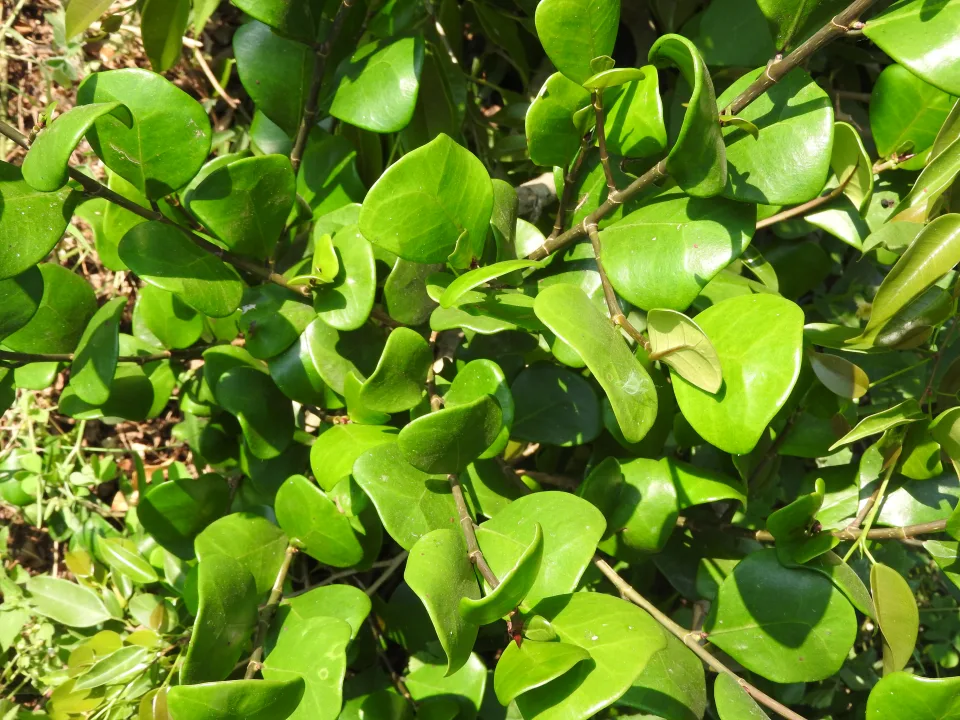
Photo : Yercaud-elango — CC BY-SA 4.0 — source

🌱 Growing conditions
☀️ Light
Bright indirect light. Gentle sun is possible after acclimation.
💧 Watering
Water when the top 3–5 cm of the potting mix have dried.
🌡️ Temperature
18–27 °C. Avoid sudden temperature drops and temperatures below 15 °C.
💦 Humidity
Average
🪴 Potting mix
Rich but airy and well-drained.
⭐ Difficulty
Moderate
🌱 Growth
Moderate
📏 Mature size
1–2 m indoors
🌿 Habit
Shrubby and upright
📝 About Triangle ficus
Description
A tropical shrub with leathery triangular leaves and slender, well-branching stems. Like many indoor ficus, it values stable conditions and may shed leaves after a sudden move, cold draught or prolonged wetness.
Like many indoor Ficus, it values stability as much as warmth. Abrupt changes of position, cold draughts or persistently wet roots can trigger leaf drop even when the plant looked healthy beforehand. Strong filtered light promotes shorter internodes and denser growth.
Care
Keep it in a very bright position without scorching sun. Water when the upper mix is dry and always empty the saucer. Avoid frequent changes of position. Wipe dusty leaves and prune lightly in spring if you want denser branching; wear gloves because of the latex.
Avoid moving or rotating the plant abruptly, especially just after purchase. Water when the upper layer has dried and always empty the saucer. In winter, let the potting mix guide the watering frequency because it can remain moist far longer than in summer. Wipe dust from the leaves and prune lightly in spring if a denser habit is wanted; avoid the irritating latex on the skin.
Repotting
Repot in spring when roots clearly circle the root ball or emerge from the pot. Move up only slightly in pot size and use a well-drained houseplant mix.
Repot in spring only when roots clearly circle the root ball or emerge from the pot. Use a container only slightly larger than the root mass and a rich but airy mix. A very large pot remains wet for too long; mature specimens can often be top-dressed instead of repotted every year.
Propagation
Use semi-ripe stem cuttings in spring or summer, or air layering for a larger established branch. Wipe away latex before rooting cuttings.
Semi-ripe stem cuttings root best in warmth and bright indirect light. Wipe away the latex before placing the cutting in the rooting medium. Air layering is particularly useful on larger stems because roots form before the branch is detached from the mother plant.
🐱 Toxicity
The white latex can irritate skin and mucous membranes. Ingestion may cause digestive upset and the plant is considered toxic to pets.
🩺 Common problems
Yellow leaves
Several yellow leaves at once often mean the root zone is too wet; prolonged low light can also lead to lower-leaf drop. Some leaf loss after a move can simply be stress.
Brown leaves
Dry brown edges can follow drought, very dry air or hot draughts. Bleached then brown patches facing the window suggest sun scorch; soft dark patches with wet soil call for a root check.
Diseases
Root rot is most likely in an oversized, poorly drained or constantly wet pot. Leaf spots may also spread when foliage stays wet without air movement.
Pests
Watch for scale insects, mealybugs, thrips and spider mites, especially under leaves and along veins. Isolate the plant if new growth becomes distorted, stippled or sticky.