Plant profile
Keeled gasteria
Gasteria carinata
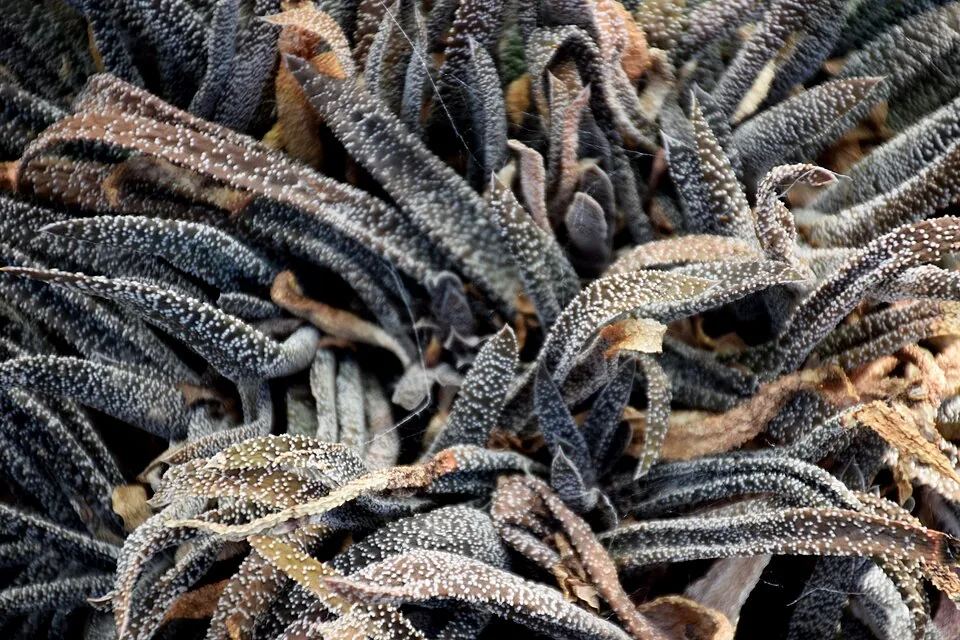
Photo : Krzysztof Golik — CC BY-SA 4.0 — source

🌱 Growing conditions
☀️ Light
Bright filtered light; gentle sun possible after acclimation
💧 Watering
Moderate: let a good part of the substrate dry between waterings; keep almost dry in winter
🌡️ Temperature
15 to 27 °C indoors; protect from frost
💦 Humidity
Low to medium
🪴 Potting mix
Very well-draining cactus and succulent mix in a pot with drainage holes
⭐ Difficulty
Easy
🌱 Growth
Slow
📏 Mature size
10 to 25 cm
🌿 Habit
rosette
📝 About Keeled gasteria
Description
Gasteria carinata, known as keeled gasteria, is a succulent native to South Africa. It forms groups of thick, fleshy leaves able to store water, an adaptation that allows it to withstand relatively dry periods.
The leaves are generally arranged in rosettes or in two ranks on young plants. Their shape, texture and the amount of spotting or small surface bumps can vary among the different varieties of the species.
At maturity, Gasteria carinata can produce a flower stalk bearing small, tubular, hanging flowers. Its relatively slow growth, manageable size and tolerance of pot culture make it a succulent well suited to indoor growing.
Care
Provide bright light, introducing direct sun gradually when appropriate. Let the substrate dry well between waterings and reduce watering sharply in winter or during dormancy. Avoid abrupt changes and check the root ball before watering again.
Repotting
Repot when roots truly fill the container or the substrate has degraded. Choose a pot with drainage holes only slightly larger and use a mineral, very well-draining mix.
Propagation
Gasteria carinata can be propagated by separating the offsets that appear around the mother plant. Preferably wait until they are well developed before detaching them and placing them in their own pots. Leaf cuttings are also possible: allow the cut to callus before placing the leaf in a very free-draining mix. Seed is another option, but it requires more patience.
🐱 Toxicity
Avoid ingestion; keep out of reach of children and animals until species-specific toxicity has been validated.
🩺 Common problems
Yellow leaves
If several leaves of Gasteria carinata turn yellow together, first check substrate moisture, then light and temperature. A single old leaf may simply be reaching the end of its cycle.
Brown leaves
On Gasteria carinata, distinguish a dry tip from a soft area: the first often accompanies drying or overly strong sun, while the second points more toward excess moisture.
Diseases
Root problems in Gasteria carinata become more likely in constantly wet, poorly aerated substrate. Rapid loss of vigor or a soft base justifies checking the roots.
Remove badly damaged tissue, inspect the roots and repot into a drier, very free-draining mix. Wait until the plant is stable again before watering.
Pests
Inspect leaf undersides, nodes and young shoots of Gasteria carinata. If you see stippling, distortion, cottony masses or visible insects, isolate the plant before treating.