Plant profile
Cathedral-window haworthia
Haworthia cymbiformis
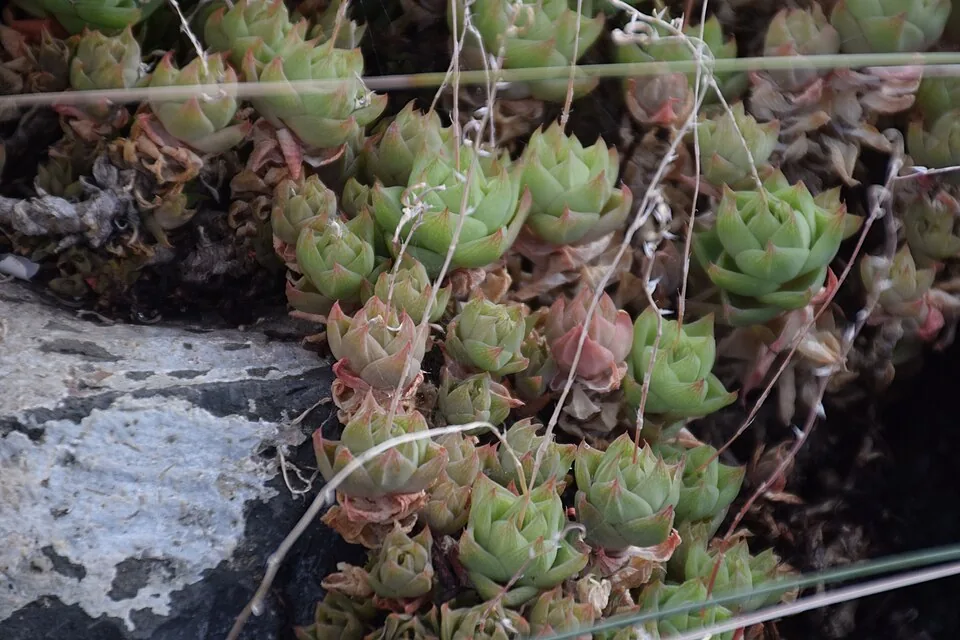
Photo : Krzysztof Golik — CC BY-SA 4.0 — source

🌱 Growing conditions
☀️ Light
Bright indirect light; gentle sun possible after acclimation, avoid scorching sun behind glass
💧 Watering
Moderate: let a good part of the substrate dry between waterings and reduce strongly in winter
🌡️ Temperature
15 to 27 °C indoors; avoid dropping below 10 °C
💦 Humidity
Low to medium
🪴 Potting mix
Very well-draining cactus and succulent mix in a pot with drainage holes
⭐ Difficulty
Easy
🌱 Growth
Slow
📏 Mature size
8 to 15 cm
🌿 Habit
rosette
📝 About Cathedral-window haworthia
Description
Haworthia cymbiformis is a small succulent native to South Africa. It forms compact rosettes of thick, fleshy, usually light-green leaves that can store water.
The tips of the leaves may show more translucent areas that give the plant its characteristic appearance. In its natural habitat, the species grows on rocky walls and outcrops, sometimes in places partly sheltered by surrounding vegetation.
Over time, Haworthia cymbiformis frequently produces offsets around the main rosette and gradually forms a small clump. Its small size, slow growth and relatively modest requirements make it particularly well suited to pot culture.
Care
Provide bright light, introducing direct sun gradually when appropriate. Let the substrate dry well between waterings and reduce watering sharply in winter or during dormancy. Avoid abrupt changes and check the root ball before watering again.
Repotting
Repot when the roots and numerous offsets begin to occupy much of the pot, or when the mix has degraded. Choose a container with drainage holes only slightly larger and use a very well-draining cactus and succulent mix. Do not bury the rosette deeply, and allow any injured roots to heal before watering heavily.
Propagation
The simplest method is to separate the offsets that form around the mother plant. Wait until they are sufficiently developed, ideally with their own roots, then pot them individually in small containers filled with a very free-draining mix. Propagation from seed is also possible but takes more time.
🐱 Toxicity
Avoid ingestion; keep out of reach of children and animals until species-specific toxicity has been validated.
🩺 Common problems
Yellow leaves
If several leaves of Haworthia cymbiformis turn yellow together, first check substrate moisture, then light and temperature. A single old leaf may simply be reaching the end of its cycle.
Brown leaves
On Haworthia cymbiformis, distinguish a dry tip from a soft area: the first often accompanies drying or overly strong sun, while the second points more toward excess moisture.
Diseases
Root problems in Haworthia cymbiformis become more likely in constantly wet, poorly aerated substrate. Rapid loss of vigor or a soft base justifies checking the roots.
Remove badly damaged tissue, inspect the roots and repot into a drier, very free-draining mix. Wait until the plant is stable again before watering.
Pests
Inspect leaf undersides, nodes and young shoots of Haworthia cymbiformis. If you see stippling, distortion, cottony masses or visible insects, isolate the plant before treating.