Plant profile
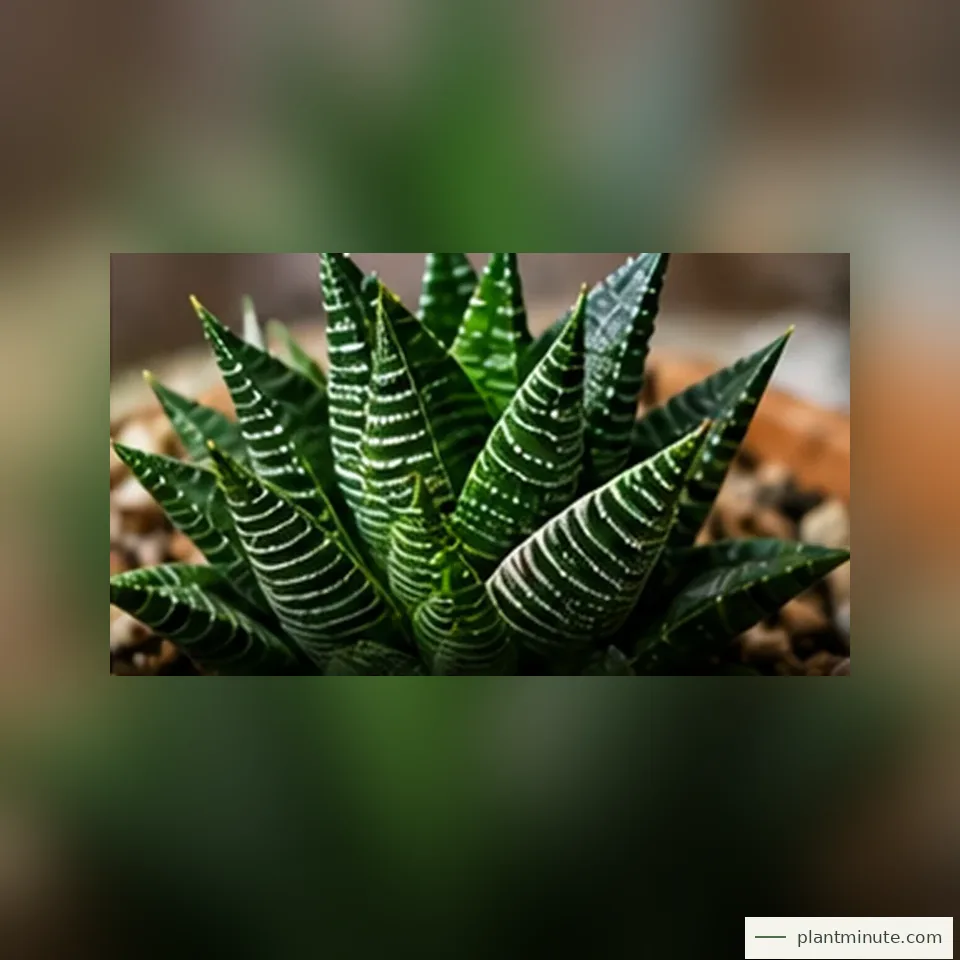
Fairy washboard
Haworthiopsis limifolia
🌱 Growing conditions
☀️ Light
Bright filtered light; gentle morning sun is possible.
💧 Watering
Let the mix dry well between waterings; reduce when light and temperatures drop.
🌡️ Temperature
15–28°C indoors; avoid damp cold and frost.
💦 Humidity
Low to moderate; avoid stagnant moisture around the crown.
🪴 Potting mix
Mineral, free-draining mix in a pot with drainage holes.
⭐ Difficulty
Easy to moderate
🌱 Growth
Slow
📏 Mature size
10–20 cm
🌿 Habit
Succulent rosette
📝 About Fairy washboard
Description
It tolerates scorching sun less well than a desert cactus.
This small succulent forms tight rosettes of leaves with transverse ridges. It handles filtered light better than many Echeverias but still stretches if kept far from any window.
Care
Very occasional highly diluted fertilizer. Reddish-brown, curled leaves: check for excessive sun. Soft base: inspect roots and standing water. Slow growth is normal; do not compensate with more frequent watering.
Let much of the mix dry between waterings and sharply reduce watering in cool weather. Shield from intense sun behind glass, which can leave brown scorch marks.
Repotting
Repot when the mix compacts or roots fill the pot.
Use a mineral-rich, well-draining mix and a moderately sized pot. Do not bury the rosette; inspect leaf bases for hidden mealybugs during repotting.
Propagation
Remove an offset with roots if possible. If separation wounds tissue, let it air-dry for several hours, then plant in slightly moist but never saturated mix.
🐱 Toxicity
Major toxicity is not normally reported for this succulent, but it is not a food plant; limit pets' access.
🩺 Common problems
Yellow leaves
Yellow, translucent leaves at the base suggest watering too frequently. Darker pigmentation under strong light is not necessarily disease.
Brown leaves
Brown tips and wrinkled leaves: check root health and whether the root ball is too dry; pale brown patches may be sunburn.
Diseases
Crown rot occurs in constantly wet pots. Let the medium dry and remove affected tissue where possible.
Pests
Scale insects can hide at the bases of thick leaves; inspect beneath the rosette as well.