Plant profile
Purple waffle plant
Hemigraphis alternata
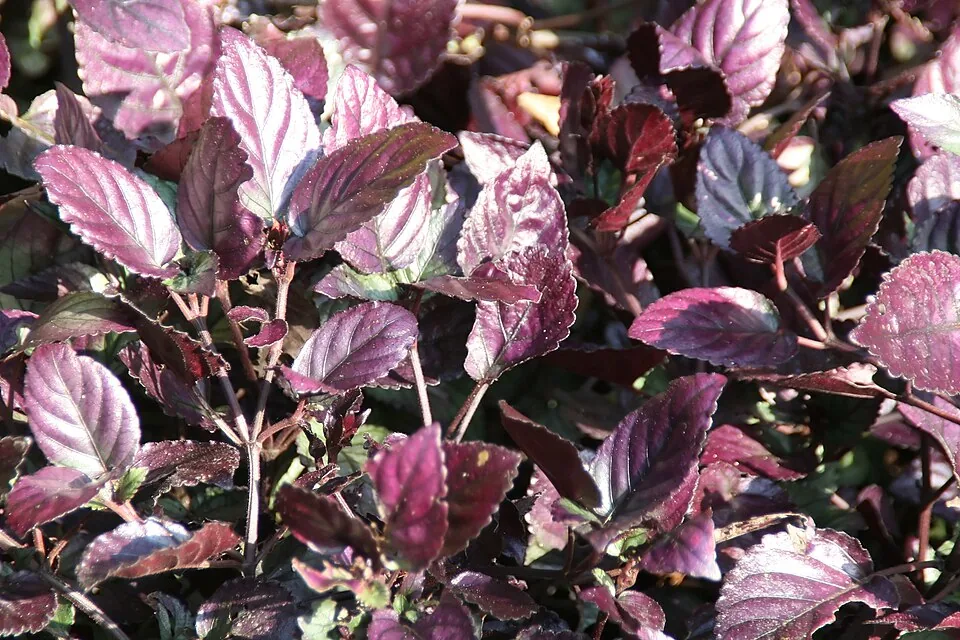
Photo : Photo by David J. Stang — CC BY-SA 4.0 — source

🌱 Growing conditions
☀️ Light
Bright indirect light
💧 Watering
Keep slightly moist without waterlogging
🌡️ Temperature
18–27 °C
💦 Humidity
High
🪴 Potting mix
Rich, well-draining potting mix
⭐ Difficulty
Moderate
🌱 Growth
Fast
📏 Mature size
15–30 cm; spreading 30–60 cm
🌿 Habit
groundcover
📝 About Purple waffle plant
Description
Small groundcover with strongly puckered leaves, metallic green above and purple beneath; generous indirect light helps retain the color.
Care
Grow in bright filtered light or bright partial shade: enough light helps maintain the purple colouring, while harsh direct sun can bleach or scorch the foliage. Keep warm, with a lightly moist but well-drained mix. Pinch stem tips just above a node to encourage a fuller plant.
Repotting
Repot when the mat becomes dense, in a shallow pot with drainage holes.
Propagation
Propagate in spring or summer from healthy stem cuttings with several nodes. Remove leaves from the node or nodes that will be buried, then insert into a light, slightly moist mix. Keep warm and bright but out of direct sun until new growth appears.
🐱 Toxicity
Ingestion is discouraged; keep away from animals that chew plants.
🩺 Common problems
Yellow leaves
Soft yellow leaves with constantly wet mix mainly indicate overwatering or poorly aerated roots. If new growth is pale and loses colour without becoming soft, check for insufficient light instead. Older lower leaves may yellow naturally.
Brown leaves
Brown tips or patches commonly come from dry air, prolonged thirst or overly strong direct sun.
Diseases
The main container disease risk is root or basal rot when the mix remains saturated and cold. Remove soft or blackened tissue, improve drainage and allow more drying between waterings. Good air movement also reduces problems on foliage kept too wet.
Pests
Watch mainly for spider mites, aphids and mealybugs, especially on young growth and leaf undersides. Dull, stippled or distorted foliage should prompt a close inspection and isolation if pests are found.