Plant profile
Paddle plant
Kalanchoe luciae
🌱 Growing conditions
☀️ Light
Very bright light, gradually increasing sun to encourage red leaf margins.
💧 Watering
Allow the mix to dry almost completely between waterings; water much less in winter.
🌡️ Temperature
Temperate to warm, in relatively dry conditions; prevent freezing.
💦 Humidity
Low to moderate; avoid leaving the leaves wet.
🪴 Potting mix
Free-draining mineral mix in a pot with drainage holes.
⭐ Difficulty
Easy
🌱 Growth
Moderate
📏 Mature size
30–60 cm or taller when flowering
🌿 Habit
Upright rosette of thick leaves
📝 About Paddle plant
Description
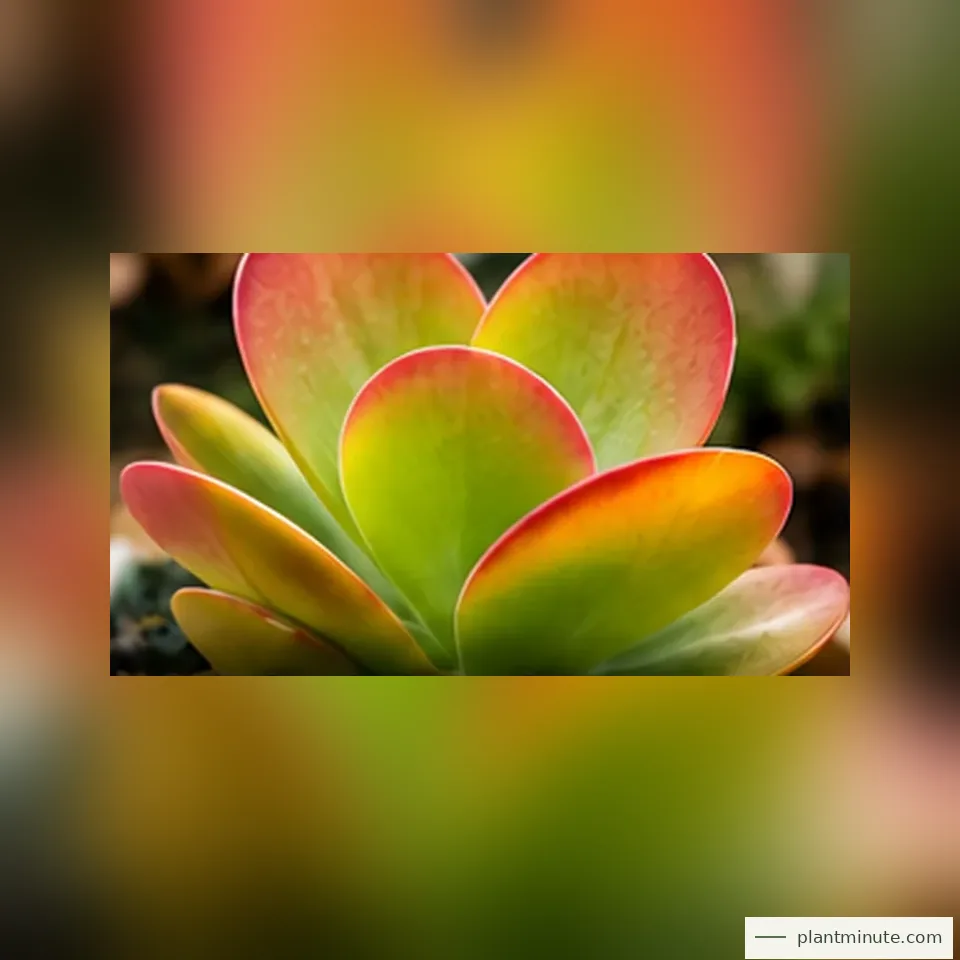
Large flat paddle-shaped leaves may develop red edges in strong light. Often confused with Kalanchoe thyrsiflora; check identification before captioning a photograph.
Its large stacked leaves may develop red margins in bright light; staying green indoors does not automatically mean disease. It gradually makes a large rosette that may flower and then die back after flowering.
Care
Feed sparingly, only during growth. Pale leaves: sometimes inadequate light. Soft, translucent leaves: inspect lower stems and prolonged dampness. After flowering, a rosette may die naturally; offsets take its place.
Give as much light as it can tolerate after acclimation and water only once the medium is fully dry. Soft, translucent tissue at the base is a clearer sign of overwatering than leaf colour alone.
Repotting
Repot if the pot becomes unstable or roots fill it tightly.
Choose a stable pot with drainage, as the foliage can make the plant top-heavy. Keep the rosette above the substrate and do not cover the leaf bases.
Propagation
Separate offsets or take healthy, callused cuttings.
Take basal offsets once sufficiently developed and let wounds callus before planting. Propagation from single leaves is less reliable than for some other succulents.
🐱 Toxicity
Keep away from cats and dogs: several Kalanchoe species contain compounds that can cause illness if eaten. Prevent access by children too.
🩺 Common problems
Yellow leaves
Soft yellow leaves in wet compost suggest overwatering. Lower leaves can also die naturally as the flower stalk develops.
Brown leaves
Dry brown edges after sudden strong sun: acclimatise gradually. Black, soft lesions near the base instead suggest crown damage.
Diseases
Crown rot is a risk in poorly draining pots. Do not let water remain trapped between the large fleshy leaves.
Pests
Mealybugs at leaf bases and aphids on flower stalks are possible. Check folds and crevices after purchase.