Plant profile
Trailing watermelon begonia
Pellionia repens
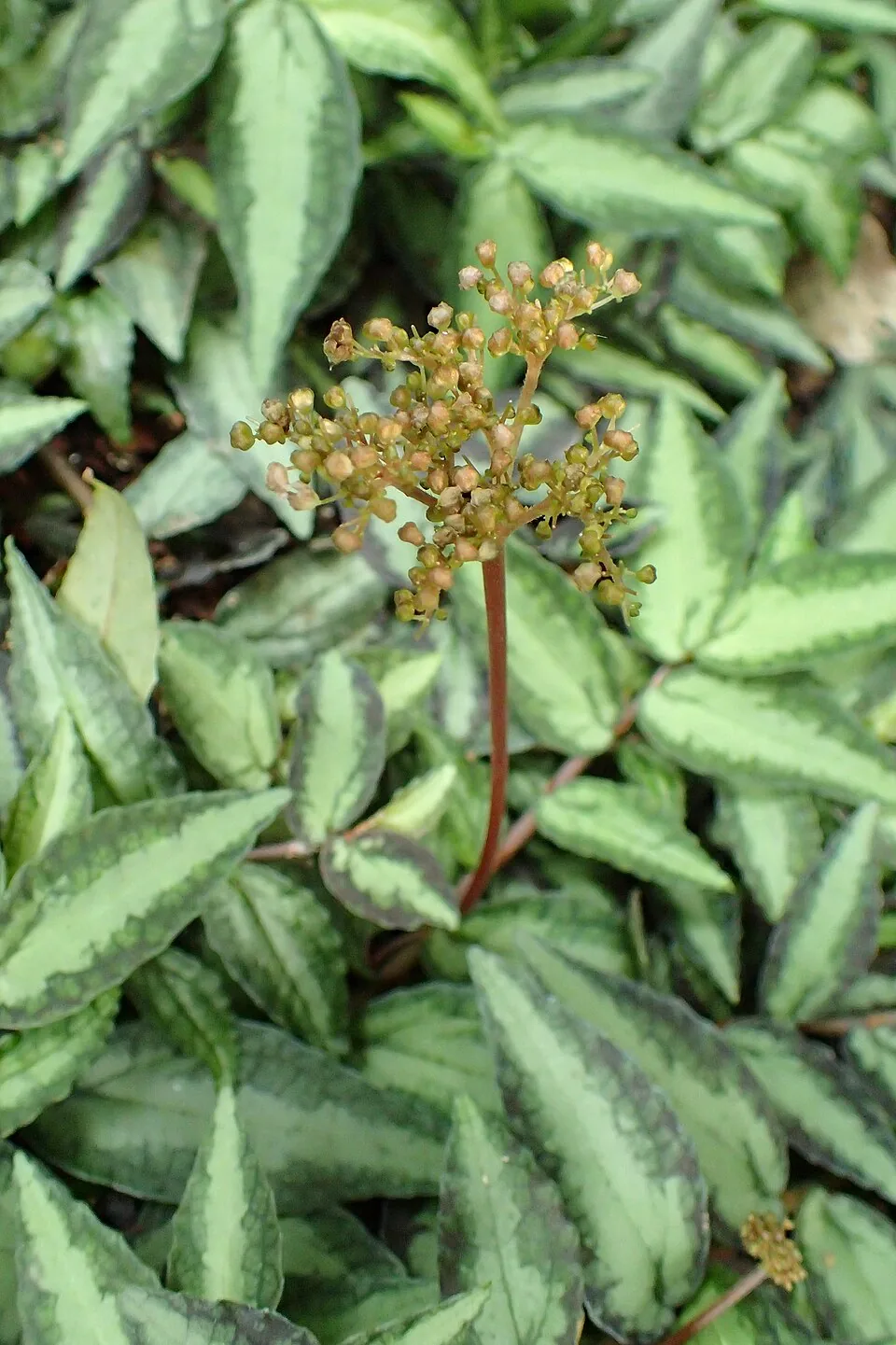
Photo : Krzysztof Ziarnek, Kenraiz — CC BY-SA 4.0 — source

🌱 Growing conditions
☀️ Light
Bright indirect light
💧 Watering
Keep the mix slightly moist without saturating it: water when the surface starts to dry, then let all excess water drain away. Avoid both complete drying and standing water.
🌡️ Temperature
18–27 °C
💦 Humidity
High
🪴 Potting mix
Humus-rich, airy and well-draining mix
⭐ Difficulty
Moderate
🌱 Growth
Fast
📏 Mature size
15–30 cm; stems trailing 50–100 cm
🌿 Habit
creeping or trailing
📝 About Trailing watermelon begonia
Description
Creeping or trailing plant with asymmetric leaves marked green, bronze or silver; it quickly forms a dense mat in warm humid air. This creeping plant forms flexible stems with oval leaves often marked in two shades of green. It suits hanging baskets or pot edges, with a lightly moist mix and filtered light.
Care
Place in bright filtered light or bright partial shade, out of harsh direct sun. Keep the mix lightly moist but never waterlogged and provide high humidity with good ventilation. Pinch stems regularly to maintain a dense plant and prevent bare growth.
Repotting
Repot when roots and creeping stems fill the container, using a wide shallow pot with drainage holes. Choose an airy, humus-rich mix that stays lightly moist without becoming waterlogged.
Propagation
Stem cuttings with several nodes root very readily. Remove leaves from nodes that will touch the mix, lay or insert them into a light, slightly moist medium, and keep warm until new growth appears.
🐱 Toxicity
Ingestion of ornamental plants is discouraged.
🩺 Common problems
Yellow leaves
Soft yellow leaves with wet mix mainly indicate overwatering. Pale stretched shoots point instead to insufficient light. Yellowing near the base of old stems may accompany normal ageing.
Brown leaves
Brown tips or patches commonly come from dry air, prolonged thirst or overly strong direct sun.
Diseases
The main problem is stem and root rot when the mix stays saturated or cold. Remove soft tissue, improve drainage and warmth, and restart from healthy cuttings if the plant base is badly affected.
Pests
Watch for spider mites and mealybugs, especially on young growth and leaf undersides. Spider mites are favoured by hot dry air; isolate the plant and keep checking for several weeks.