Plant profile
Emerald ripple peperomia
Peperomia caperata
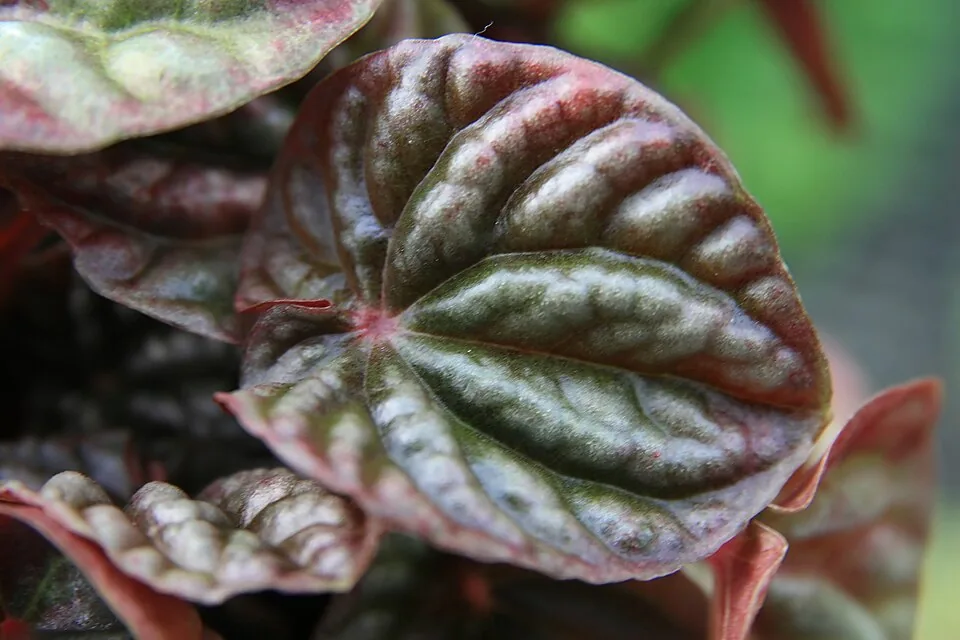
Photo : Photo by David J. Stang — CC BY-SA 4.0 — source

🌱 Growing conditions
☀️ Light
Bright to medium indirect light. Avoid direct sun, which marks the textured leaves; a very dark position reduces the density of the rosette.
💧 Watering
Water when the top 2–3 cm are dry. Its fine roots and fleshy tissues are most at risk from prolonged overwatering.
🌡️ Temperature
18 to 30 °C
💦 Humidity
Medium to high
🪴 Potting mix
Use a very airy mix: fine houseplant compost with perlite and optionally a little bark. The pot should drain and dry fairly quickly.
⭐ Difficulty
Easy
🌱 Growth
Moderate
📏 Mature size
15 to 25 cm
🌿 Habit
clumping
📝 About Emerald ripple peperomia
Description
Small Peperomia forming a rosette of deeply rippled leaves, green, red or silvery depending on the cultivar, with slender upright flower spikes.
Care
Remove old leaves and spent flower spikes at the base. Prefer a small pot, steady warmth and good air movement rather than excessive humidity.
Repotting
Repot sparingly in an airy mix and a small pot with drainage holes. Spring is suitable for repotting or dividing clumps.
Propagation
Leaf or petiole cuttings, or division.
🐱 Toxicity
Generally considered non-toxic to dogs and cats.
🩺 Common problems
Yellow leaves
Check excess water or overly compact mix first.
Brown leaves
Dry edges usually mean dry air, direct sun or the mix staying dry too long. Soft dark spots suggest excess water, cold or water left on the leaves.
Diseases
Root and crown rot if moisture is excessive. A soft crown, blackening stems or sudden leaf drop means the roots should be checked, rotten parts removed and drainage markedly improved.
Pests
Mealybugs and spider mites may occur.