Plant profile
Raindrop peperomia
Peperomia polybotrya
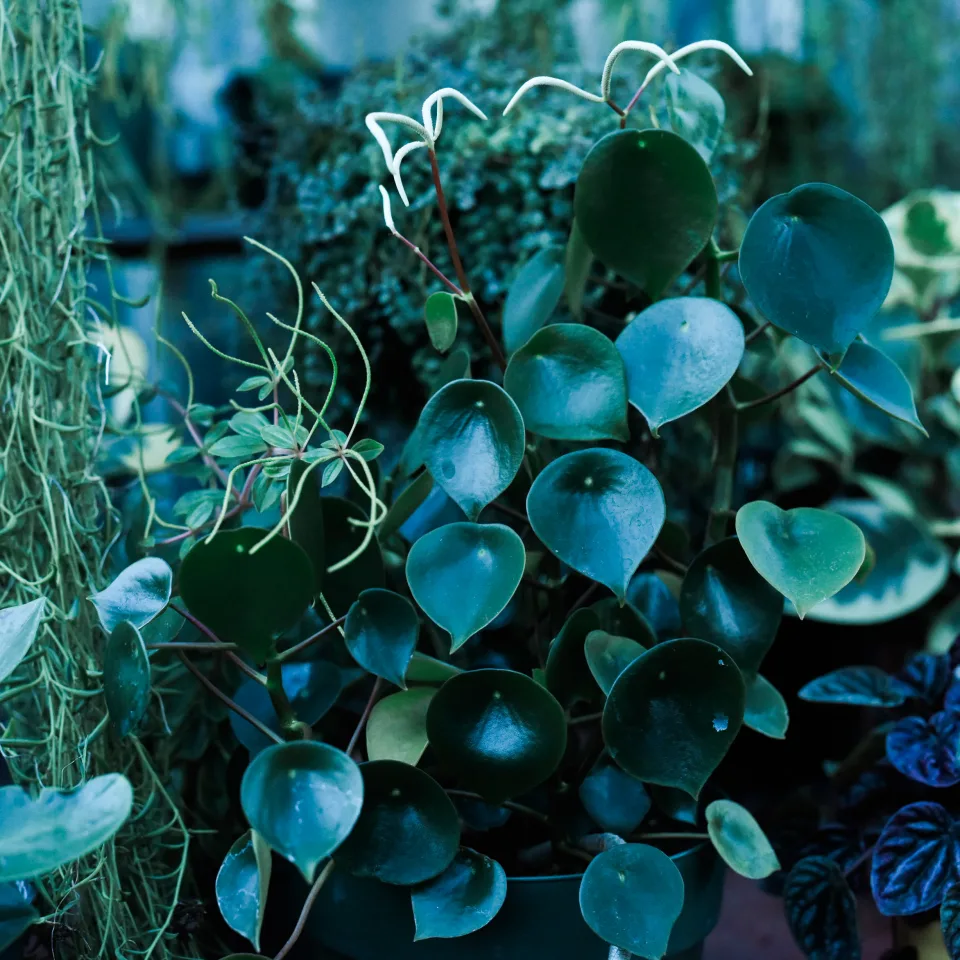
Photo : Karl Thomas Moore — CC BY-SA 4.0 — source

🌱 Growing conditions
☀️ Light
Bright indirect light. A little gentle morning or late-afternoon sun is acceptable.
💧 Watering
Moderate: let the top 2–4 cm of the potting mix dry before watering again.
🌡️ Temperature
18–27 °C. Avoid prolonged temperatures below 15 °C.
💦 Humidity
Average. Normal indoor humidity is suitable unless the air is very dry.
🪴 Potting mix
Light, airy and very free-draining, with fine potting mix, perlite or pumice and a little bark.
⭐ Difficulty
Easy
🌱 Growth
Moderate
📏 Mature size
25–40 cm
🌿 Habit
Compact and upright
📝 About Raindrop peperomia
Description
A compact tropical peperomia with thick, glossy, nearly round leaves ending in a distinct point. Their raindrop shape gives the plant its common name. The fleshy leaves store some water, so the plant tolerates a short dry spell better than constantly wet roots.
Its fine root system needs plenty of air around the roots. The fleshy leaves store water, so a short dry spell is usually less damaging than a pot that stays wet for days. In good light the plant stays compact; in insufficient light the stems or petioles lengthen and the plant loses its dense habit.
Care
Keep it in bright filtered light. Water thoroughly once the top of the mix has dried, then let all excess water drain away. Do not leave the pot standing in water. Feed lightly every 4–6 weeks during active growth and reduce feeding in winter.
Judge watering by the moisture in the pot rather than by a fixed schedule. Water thoroughly, let the excess drain completely and never leave the pot standing in water. In winter or in lower light the mix dries more slowly, so watering should be spaced out further. Very dilute fertilizer every 4 to 6 weeks during active growth is sufficient.
Repotting
Repot only when roots genuinely fill the container or the mix has become compacted. Choose a pot with drainage holes only 2–3 cm wider than the old one; an oversized pot stays wet for too long.
Do not move it into an oversized pot: unused compost stays wet around the roots for too long. A container only 2 to 3 cm wider than the previous one is usually enough. Use a light mix with a substantial proportion of drainage material and avoid compacting it around the roots.
Propagation
Propagate from stem cuttings with at least one node, or from leaf cuttings with a petiole. Let a fresh cut dry briefly, then place it in a small pot of lightly moist, airy mix.
Stem cuttings with at least one node are generally the quickest method; some species can also be propagated from a leaf with its petiole. Keep the rooting medium only slightly moist. Warmth and bright indirect light help, but constantly wet compost can rot a cutting before new roots form.
🐱 Toxicity
Generally considered non-toxic to cats and dogs, although eating large amounts of plant material is still best avoided.
🩺 Common problems
Yellow leaves
Soft yellow leaves usually point to overwatering or poor drainage. One old lower leaf may simply be ageing; several yellow leaves at once also justify checking light levels because low light slows water use.
Brown leaves
Dry brown patches can follow strong direct sun or a long dry spell. Soft, translucent brown areas together with weak stems are more suggestive of excess moisture and damaged roots.
Diseases
Root and stem-base rot is the main disease risk in persistently wet mix. Brown mushy roots, bad odour or a loose plant call for removal of damaged tissue and repotting into fresh airy mix.
Pests
Watch for mealybugs in leaf axils, thrips that leave silvery scarring and spider mites in very dry air.