Plant profile
Burle Marx philodendron
Philodendron burle-marxii
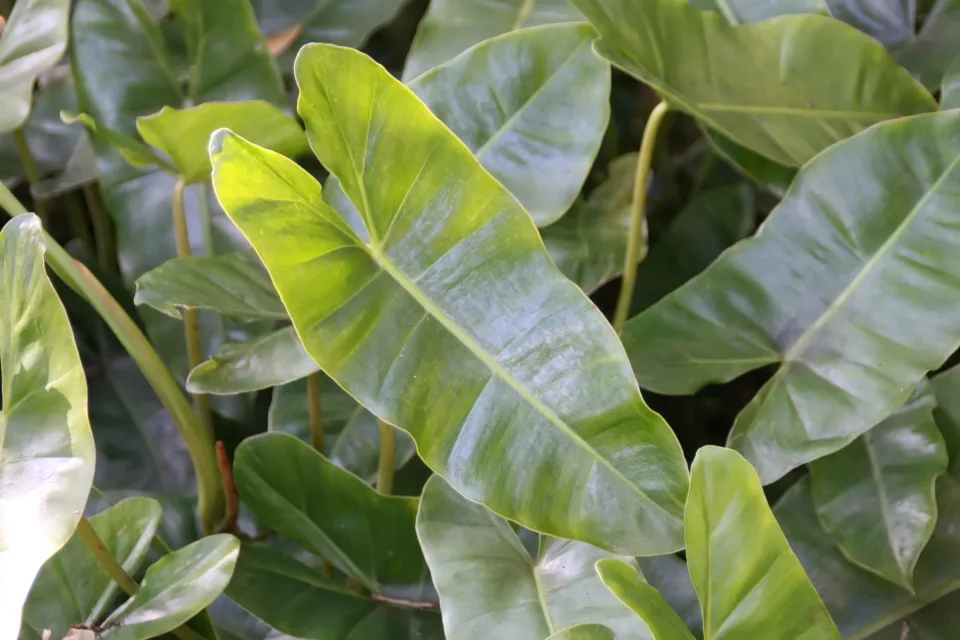
Photo : David J. Stang — CC BY-SA 4.0 — source

🌱 Growing conditions
☀️ Light
Medium to bright indirect light
💧 Watering
Let the surface dry slightly between waterings
🌡️ Temperature
18 to 28 °C
💦 Humidity
Medium to high
🪴 Potting mix
Humus-rich, airy and well-draining
⭐ Difficulty
Easy
🌱 Growth
Fast
📏 Mature size
60 cm to 1.2 m
🌿 Habit
Bushy and spreading, sometimes lightly climbing
📝 About Burle Marx philodendron
Description
Burle Marx philodendron (Philodendron burle-marxii) is a tropical aroid grown for its distinctive foliage. It forms dense growth with narrow glossy lance-shaped leaves and may climb or spread depending on support.
Care
Keep in bright filtered light, avoid harsh direct sun and water according to the drying rate described above. Good aeration around the roots and stable warmth are important.
Repotting
Repot during active growth when roots fill the container, using a pot with drainage holes only slightly larger and an airy, coarse mix.
Propagation
Propagate from stem cuttings that include at least one node, or by offsets/corms where the species produces them. A leaf without a node does not produce a complete new plant.
🐱 Toxicity
Toxic if ingested; irritating calcium oxalates.
🩺 Common problems
Yellow leaves
Excess water or insufficient light.
Brown leaves
Air that is too dry, lack of water or direct sun.
Diseases
Root rot with prolonged excess moisture.
Pests
Scale insects, thrips and mites. Inspect leaf undersides, nodes and young growth regularly. Silvery scarring, fine stippling, sticky honeydew or cottony clusters often reveal an infestation before it spreads.