Plant profile
Philodendron White Wizard
Philodendron 'White Wizard'
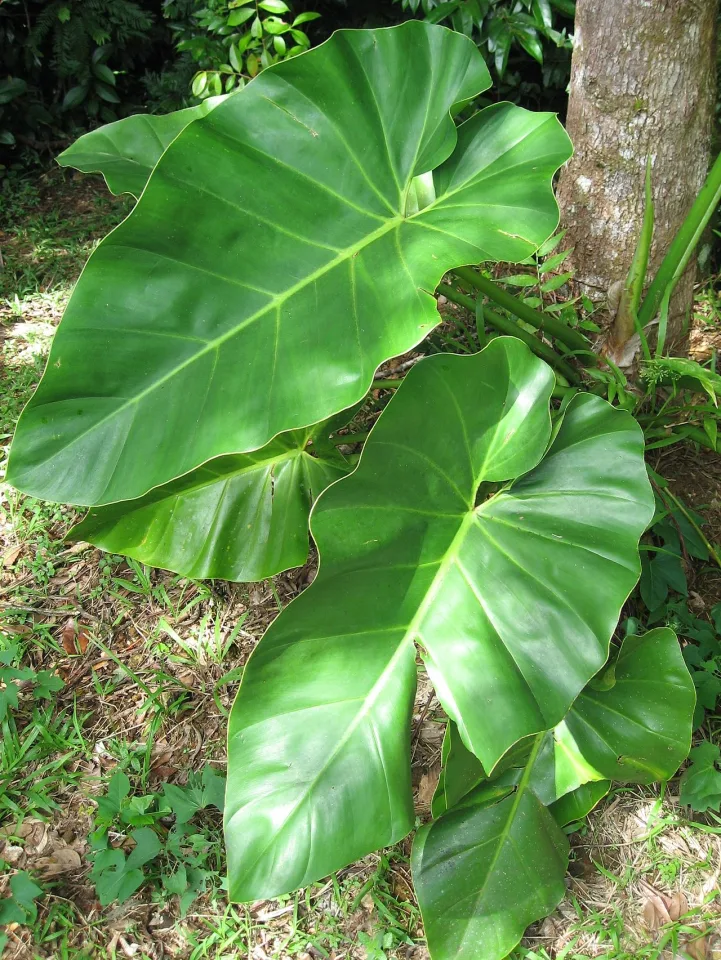
Photo : Liné1 — CC BY 2.5 — source

🌱 Growing conditions
☀️ Light
Bright indirect light; protect pale sectors from strong midday sun.
💧 Watering
Water when the top 3–5 cm are dry, then drain thoroughly.
🌡️ Temperature
18–28 °C; avoid prolonged temperatures below 16 °C.
💦 Humidity
Medium to high, ideally 50–70 %, with airflow.
🪴 Potting mix
Very airy aroid mix with bark, perlite or pumice and light organic matter.
⭐ Difficulty
Moderate
🌱 Growth
Moderate
📏 Mature size
1–2 m indoors with support
🌿 Habit
Climbing
📝 About Philodendron White Wizard
Description
Philodendron 'White Wizard' is prized for its large green leaves marked with clean white sectors. It is frequently confused with 'White Princess' and 'White Knight'; 'White Wizard' generally has greener petioles without the stronger pink or burgundy tones more typical of the other two.
The amount of white varies from one leaf to the next. Heavy variegation is spectacular but reduces the photosynthetic surface, which slows growth and makes the pale tissue more vulnerable to drying and scorching.
It is a climbing Philodendron. A vertical support and strong indirect light encourage larger leaves, shorter internodes and a distinctly more mature appearance.
Care
Give it plenty of filtered light without exposing the white sectors directly to strong sun. The aim is not to maximize the amount of white but to maintain a lasting balance between green and variegated tissue.
Water when the upper part of the mix has dried. The pot must drain quickly. A diluted fertilizer during active growth is enough; avoid concentrated feeding that promotes salt accumulation.
Install a sturdy support early so the plant can attach to it instead of developing a long, unstable stem.
Repotting
Repot during active growth once the root system is filling the pot well. Use a coarse mix containing ingredients such as bark, perlite or pumice, and light organic matter.
Propagation
Take stem cuttings with at least one node. The presence of a viable bud is essential. Root in water, sphagnum moss or a very airy mix, then pot once several roots have developed.
🐱 Toxicity
Toxic if ingested because the tissues contain irritating calcium oxalate crystals.
🩺 Common problems
Yellow leaves
Several yellow leaves while the potting mix is wet often indicate excess water. Insufficient light can worsen the problem by greatly slowing drying.
Brown leaves
White sectors brown faster after direct sun, drought, very dry air or excess salts. Soft, dark spots point more toward rot.
Diseases
Root rot and leaf spots when heat, stagnant humidity and insufficient ventilation occur together.
Pests
Watch especially for thrips, then spider mites, scale insects and mealybugs. Inspect unfolding leaves and their undersides; isolate the plant if new growth becomes distorted, silvery or sticky.