Plant profile
Blue star fern
Phlebodium aureum
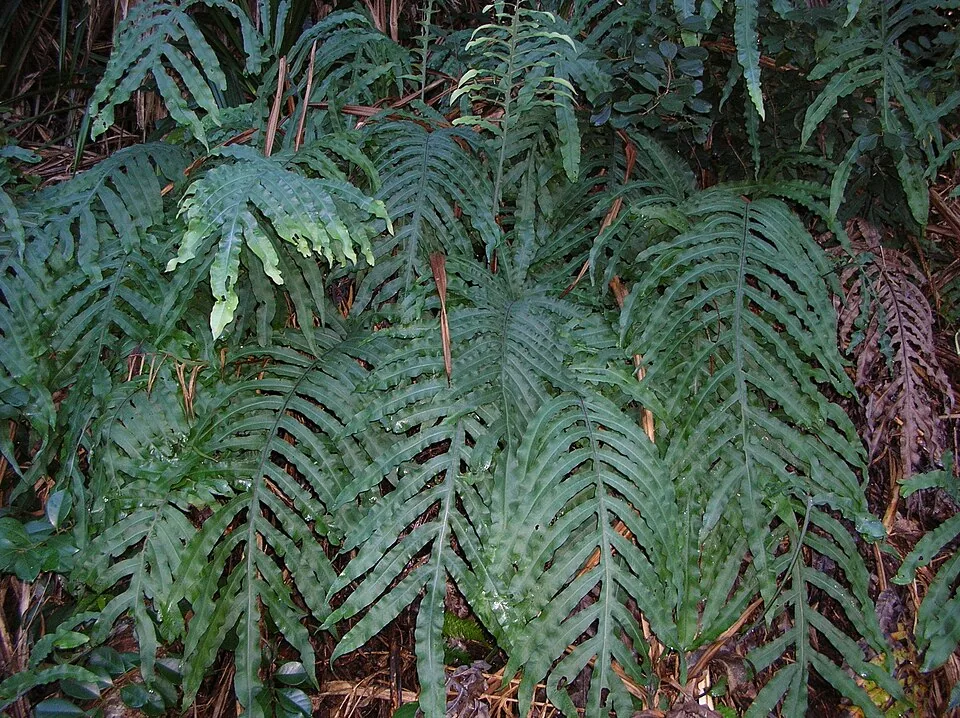
Photo : Forest & Kim Starr — CC BY 3.0 — source

🌱 Growing conditions
☀️ Light
Medium to bright indirect light
💧 Watering
Keep slightly moist without waterlogging
🌡️ Temperature
16–26 °C
💦 Humidity
Medium to high
🪴 Potting mix
Humus-rich, airy and well-draining mix
⭐ Difficulty
Moderate
🌱 Growth
Moderate
📏 Mature size
40–80 cm spread
🌿 Habit
rhizomatous and clumping
📝 About Blue star fern
Description
Epiphytic fern with deeply lobed blue-green fronds arising from creeping rhizomes covered in golden scales; it tolerates indoor air better than many delicate ferns.
Care
Place in medium to bright light without direct sun, away from radiators and cold drafts. Water thoroughly once the pot starts to dry, then let it drain. Do not bury the furry surface rhizomes; they need air. Moderate to high humidity helps prevent dry frond edges.
Repotting
Use a rather wide, shallow pot with an airy mix, keeping rhizomes near the surface.
Propagation
Divide a vigorous rhizome in spring, ensuring each section carries several fronds and roots. Cut cleanly between growing points and set each division on the surface of a very airy mix without burying the rhizome. Keep lightly moist until established.
🐱 Toxicity
Generally considered non-toxic to pets.
🩺 Common problems
Yellow leaves
Yellow fronds with constantly wet mix often indicate oxygen-starved roots. If fronds become pale without softening and new fronds stay small, also check light and nutrition. Old fronds naturally yellow before drying.
Brown leaves
Brown tips or patches commonly come from dry air, prolonged thirst or overly strong direct sun.
Diseases
This fern is generally disease-resistant. The main container risk is rhizome or root rot when the mix remains saturated and poorly aerated. Remove soft or black tissue and reset the rhizome on a more open, free-draining mix.
Pests
It is generally pest-resistant, but scale insects and mites may occur indoors. Inspect fronds and especially areas close to the rhizomes; treat early without soaking the substrate.