Plant profile
Moon Valley pilea
Pilea involucrata 'Moon Valley'
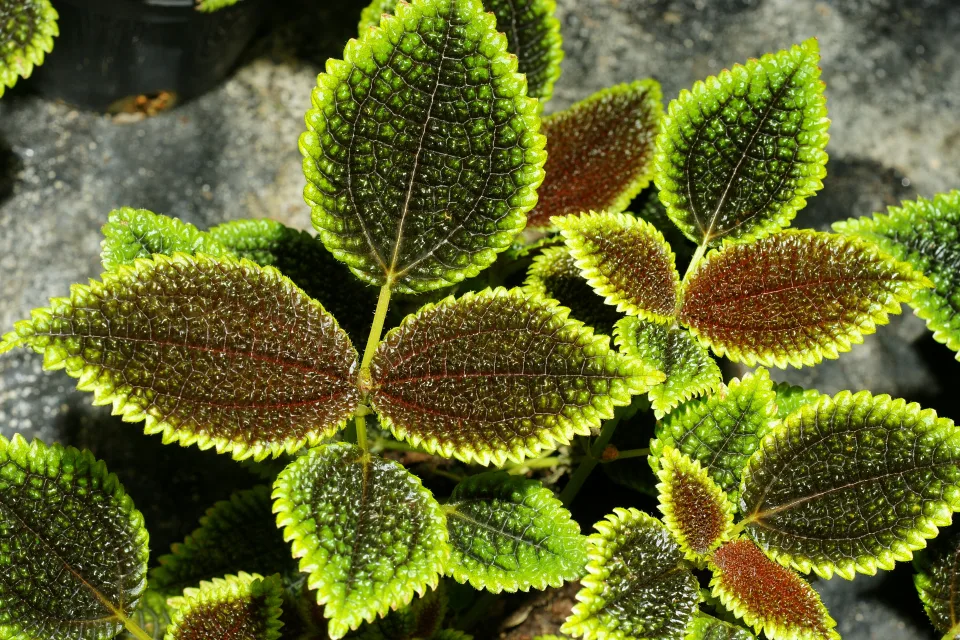
Photo : Alexander Klink — CC BY 3.0 — source

🌱 Growing conditions
☀️ Light
Bright indirect light; medium light is tolerated but gives looser growth.
💧 Watering
Water when the surface starts to dry. Keep moisture fairly even without leaving the pot waterlogged.
🌡️ Temperature
18 to 27 °C.
💦 Humidity
Average to high.
🪴 Potting mix
Humus-rich, fine, light and free-draining.
⭐ Difficulty
Easy to moderate
🌱 Growth
Fast
📏 Mature size
20 to 30 cm
🌿 Habit
compact and bushy
📝 About Moon Valley pilea
Description
Pilea involucrata 'Moon Valley' is grown for its deeply quilted leaves, in bright green to bronze tones with darker veins. Their strongly puckered surface gives the cultivar its characteristic cratered appearance.
The plant stays compact with good indirect light and occasional pinching. It prefers evenly moderate moisture, but its fine roots still need a light, well-drained mix rather than heavy, permanently wet compost.
Care
Give it filtered light and keep the mix lightly fresh. When the surface dries, water thoroughly and empty the saucer.
Pinch long tips to encourage dense growth. A small amount of balanced fertiliser every 3–4 weeks in spring and summer is enough.
Repotting
Repot in spring when the root ball is well colonised. A fairly wide, not overly deep pot suits its root system.
Propagation
Take short stem cuttings with at least one node. They root quickly in water or directly in moist, airy mix.
🐱 Toxicity
Pilea are generally considered non-toxic to cats and dogs.
🩺 Common problems
Yellow leaves
Most often overwatering or low light. Severe drying can also cause lower leaves to drop.
Brown leaves
Dry air, irregular watering or direct sun. The heavily textured leaves show drought stress quickly.
Diseases
Root and stem rot in waterlogged mix.
Pests
Spider mites, aphids and mealybugs. Inspect leaf undersides and young shoots. Fine stippling, distortion or cottony clusters help identify the pest early and isolate the plant before it spreads.