Plant profile
Birdcatcher tree
Pisonia umbellifera
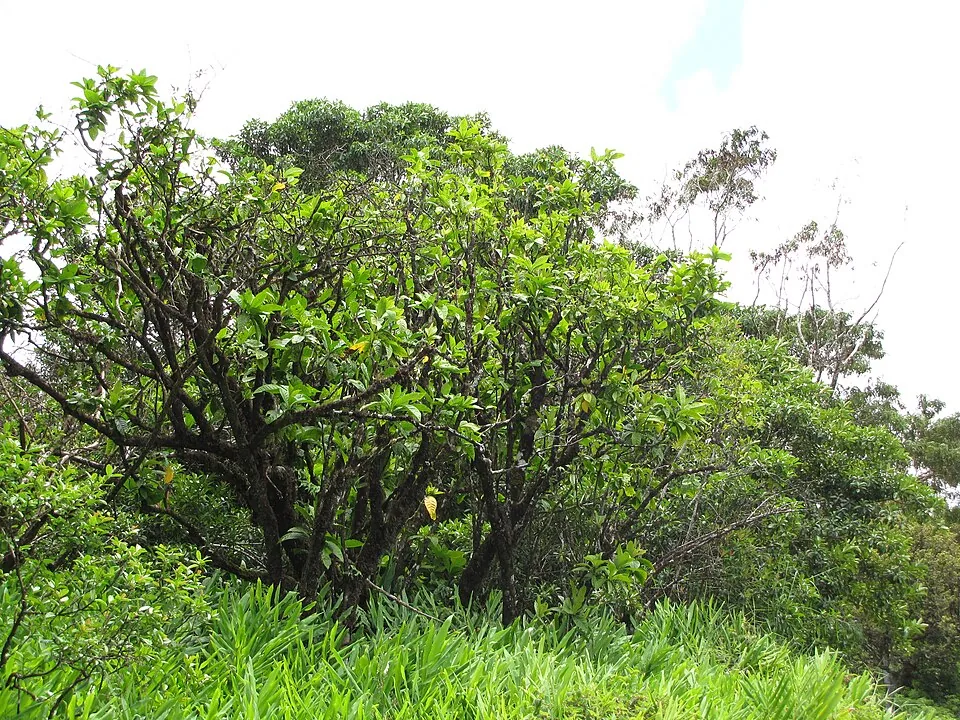
Photo : Forest and Kim Starr — CC BY 3.0 us — source

🌱 Growing conditions
☀️ Light
Bright indirect light
💧 Watering
Water after partial drying of the substrate
🌡️ Temperature
18–27 °C
💦 Humidity
Medium
🪴 Potting mix
Humus-rich, airy and well-draining mix
⭐ Difficulty
Moderate
🌱 Growth
Moderate
📏 Mature size
1–2 m indoors
🌿 Habit
shrubby
📝 About Birdcatcher tree
Description
Tropical shrub with large soft leaves, often grown in green, cream and yellow variegated forms; good light helps preserve variegation. This tropical shrub carries large soft leaves, often cream-variegated depending on the cultivar, and can become a substantial indoor specimen. It likes bright filtered light and reacts poorly to prolonged excess water.
Care
Grow in bright filtered light with steady warmth and no scorching sun through glass. Water when the surface begins to dry, then drain completely. Maintain reasonable humidity and avoid abrupt temperature changes, which can trigger leaf drop.
Repotting
Repot in spring when roots fill the pot, moving up only one container size. Use a rich but airy, free-draining mix and keep the crown at the same level.
Propagation
Propagate mainly from healthy stem cuttings in spring or summer. Take a section with several nodes, remove lower leaves and root in a light, warm, slightly moist mix. Seed is possible but far less practical indoors.
🐱 Toxicity
Ingestion of ornamental plants is discouraged; keep out of reach of animals.
🩺 Common problems
Yellow leaves
Soft yellow leaves with a wet root ball point toward overwatering. General yellowing after chilling or abrupt relocation may be stress. If only older inner leaves decline, first consider normal replacement.
Brown leaves
Brown tips can result from air that is too dry, a prolonged lack of water or excessively strong direct sun. Check the moisture of the potting mix first and move the plant away from scorching window glass.
Diseases
The main container problem is root rot when the mix remains saturated. Rapid leaf drop with a wet root zone calls for checking drainage and roots. Remove soft or black tissue and allow more drying between waterings.
Pests
Watch for mealybugs, scale insects and spider mites, especially on young shoots and leaf undersides. Sticky foliage may reveal sap-feeding insects; isolate affected plants.