Plant profile
China doll plant
Radermachera sinica
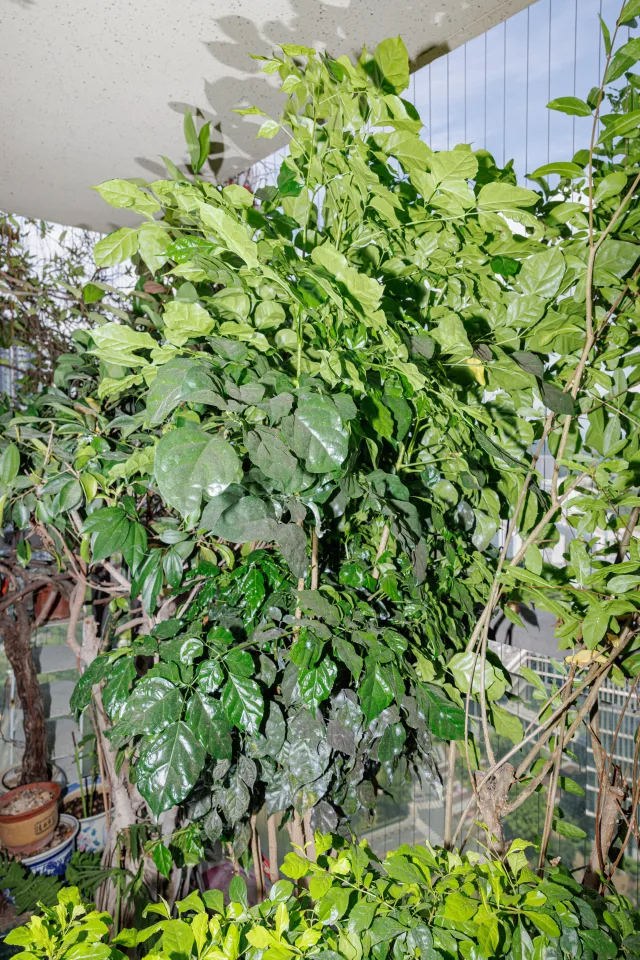
Photo : Dinkun Chen — CC BY-SA 4.0 — source

🌱 Growing conditions
☀️ Light
Bright indirect light; a little gentle sun is beneficial.
💧 Watering
Water when the top few centimetres are dry. Avoid both prolonged drought and standing water.
🌡️ Temperature
18 to 27 °C.
💦 Humidity
Average.
🪴 Potting mix
Rich, light and free-draining.
⭐ Difficulty
Moderate
🌱 Growth
Fast in good light
📏 Mature size
1 to 2 m indoors
🌿 Habit
upright and shrubby
📝 About China doll plant
Description
China doll is a small indoor tree with glossy, finely divided foliage. In good conditions it grows quickly and can make a dense miniature canopy if pruned regularly.
It reacts strongly to change: moving it, a sudden drop in light, overwatering or severe drying can all cause a heavy fall of leaflets.
Care
Choose a bright, stable location from the beginning. Turn the pot periodically but avoid repeatedly moving it between rooms.
Water when the surface dries and prune shoot tips in spring to encourage branching. A balanced feed every 3–4 weeks during active growth is sufficient.
Repotting
Repot in spring when roots fill the container. Use a stable pot with drainage holes only slightly larger than the old one.
Propagation
Propagate from young semi-ripe stem cuttings kept warm and humid; rooting can be slow.
🐱 Toxicity
Radermachera sinica is generally regarded as low concern for pets, but eating large amounts should still be avoided.
🩺 Common problems
Yellow leaves
Excess water, low light or stress after moving. Sudden leaf drop after relocation is common.
Brown leaves
A dry root ball, very dry air, abrupt strong sun or salt build-up.
Diseases
Root rot in waterlogged mix and leaf spots in very humid, stagnant air.
Pests
Spider mites, scale insects and aphids. Watch young shoots and leaf undersides first. Sticky leaves, distorted growth or fine stippling help detect scale insects, aphids or mites early.