Plant profile
Coral cactus
Rhipsalis cereuscula
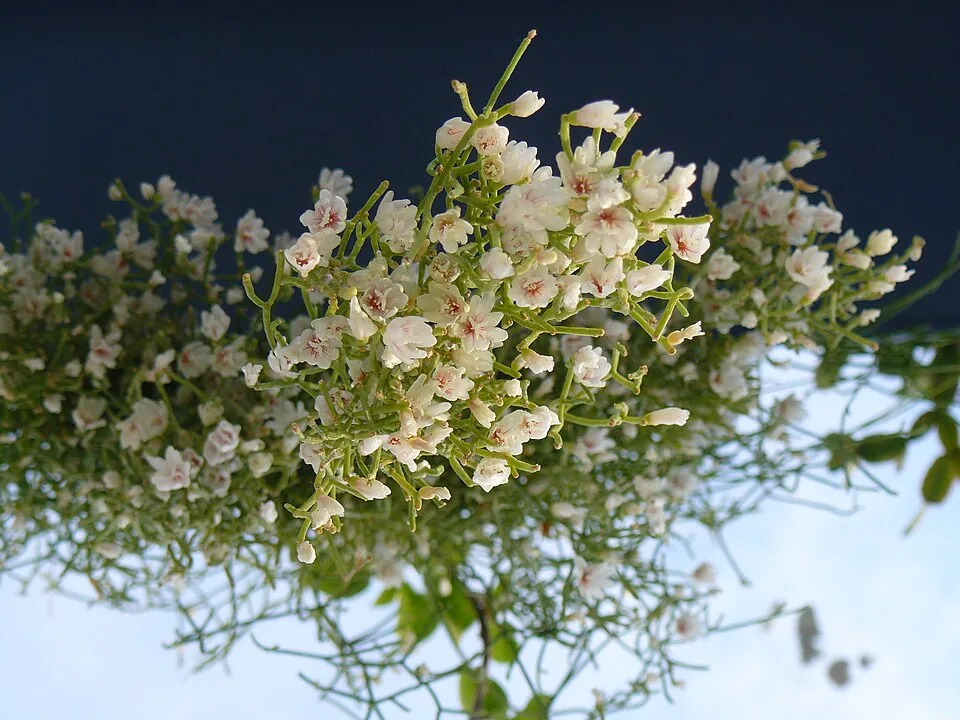
Photo : Eisjen Schaaf — CC BY-SA 3.0 — source

🌱 Growing conditions
☀️ Light
Bright indirect light; gentle morning or evening sun possible
💧 Watering
Water when the surface begins to dry, without keeping roots constantly wet
🌡️ Temperature
15 to 27 °C
💦 Humidity
Medium to high
🪴 Potting mix
Light, airy and very well-draining mix for epiphytic cacti
⭐ Difficulty
Easy to moderate
🌱 Growth
Moderate
📏 Mature size
trailing stems 60 cm to 1 m or more
🌿 Habit
trailing
📝 About Coral cactus
Description
Rhipsalis cereuscula, often called coral cactus, is an epiphytic cactus native to South America. Unlike desert cacti, it naturally grows on other plants without parasitizing them. It develops numerous fine, cylindrical, branched stems that gradually give it a dense appearance reminiscent of small coral branches.
Its habit becomes trailing as the stems lengthen, making it particularly suitable for hanging baskets and pots placed high up. The plant can also produce small pale flowers followed by small fleshy fruits.
Its epiphytic origin explains needs that differ from those of many arid-region cacti: it appreciates good light and excellent drainage but tolerates prolonged periods of extreme drought less well.
Care
Provide bright filtered light, with gentle sun only where the source allows it. Water during growth when the substrate begins to dry, then let excess water drain completely. Reduce watering when growth slows and avoid both standing water and prolonged extreme drought.
Repotting
Repot when roots fill the container or the mix becomes compact. Use a pot with drainage holes only slightly larger and a light, airy, very well-draining mix suited to epiphytic cacti.
Propagation
Rhipsalis cereuscula is easily propagated from stem cuttings. Take a healthy section with several segments and, if needed, let the cut dry briefly before placing it in a light, airy mix. Keep the medium slightly moist but never waterlogged while it roots. Several cuttings can be planted together in the same pot to obtain a fuller plant more quickly.
🐱 Toxicity
Avoid ingestion; keep out of reach of children and animals until species-specific toxicity has been validated.
🩺 Common problems
Yellow leaves
These plants have reduced or no true leaves; yellowing of green stems or segments usually calls for checking excess water, drainage, root condition and light.
Brown leaves
Brown, dry tips or sections of stem may appear after excessive drought or overly intense sun exposure. Brown tissue that is soft, however, should prompt you to look for excess moisture or the beginning of rot. Always examine the potting mix and roots before making major changes to watering.
Diseases
The main risk is root or stem-base rot in a compact, persistently wet mix. Good aeration and drainage are the best prevention.
Pests
Mealybugs and scale insects can settle among the many branches or near the base of the stems. Spider mites may also appear when conditions are favorable. Inspect hard-to-see areas regularly and isolate an infested plant promptly to prevent spread to neighboring plants.