Plant profile
Bird of paradise
Strelitzia reginae
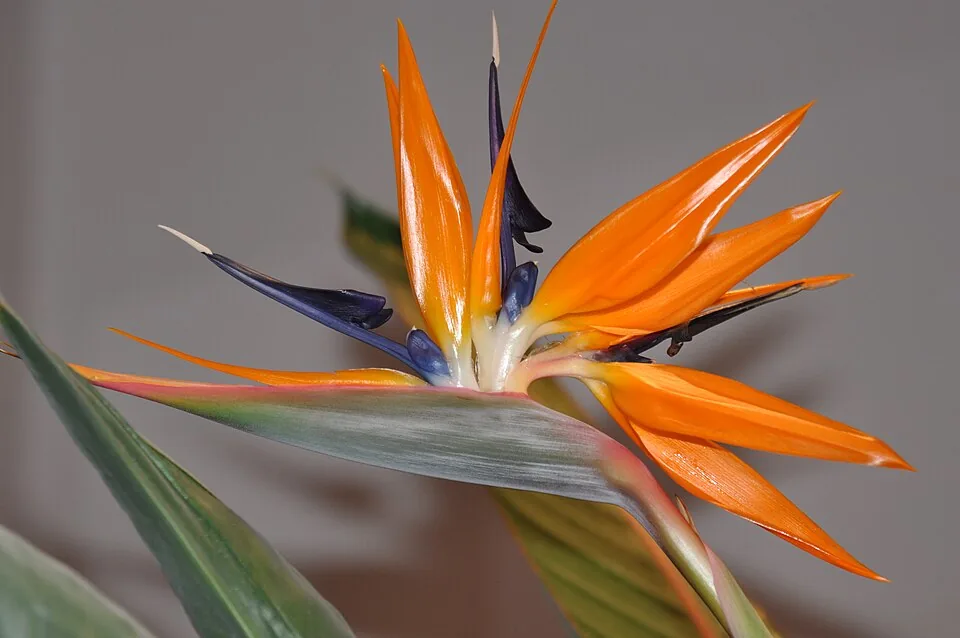
Photo : DocDaysleeper — CC BY-SA 4.0 — source

🌱 Growing conditions
☀️ Light
Very bright light; gradual direct sun possible
💧 Watering
During active growth, water thoroughly when the surface begins to dry, then let excess water drain. Do not keep the root ball saturated. In winter, especially in cooler or lower light conditions, water much less often while avoiding prolonged complete drought.
🌡️ Temperature
18 to 28 °C
💦 Humidity
Medium
🪴 Potting mix
Rich and well-draining
⭐ Difficulty
Moderate
🌱 Growth
Fast
📏 Mature size
1 to 2 m indoors
🌿 Habit
clumping and upright
📝 About Bird of paradise
Description
South African plant with large upright leaves, famous for orange-and-blue bird-shaped flowers. Flowering requires abundant light and a sufficiently mature plant.
Care
Give the brightest light available, with gentle sun after acclimation; insufficient light is a major reason for failure to flower. Feed moderately during growth and wipe dust from the large leaves. Lengthwise leaf splits are common and may be natural. Good ventilation is useful in warm conditions.
Repotting
Repot when roots strongly fill the container, but avoid disturbing a mature plant unnecessarily: being slightly pot-bound often favours flowering. Use a heavy, deep pot with drainage holes and a rich but free-draining mix. Annual top-dressing can be enough between repottings.
Propagation
Division of well-rooted clumps or suckers in spring is the most reliable way to preserve plant characteristics. Seed is possible but slow; the hard-coated seeds benefit from soaking before sowing, and seedlings may take several years to flower.
🐱 Toxicity
Considered toxic if ingested, especially to pets; keep out of reach.
🩺 Common problems
Yellow leaves
If several leaves yellow while the mix is wet, reduce watering and check drainage. A sharp fall in light or chilling can also cause yellowing and leaf loss. A single old outer leaf yellowing may simply be reaching the end of its natural life.
Brown leaves
Dry edges often result from prolonged thirst, dry air or salt build-up. Pale patches that later brown on the exposed side can indicate sudden sun scorch after a shaded period. Long splits running with the veins can be natural and are not a disease.
Diseases
Root rot is the main problem in persistently wet mix. If the plant becomes unstable, the base softens or an unusual smell develops, inspect the roots and remove rotten tissue before repotting into a more free-draining mix. Otherwise, a well-grown plant is generally not very disease-prone.
Pests
Watch for scale insects, mealybugs and spider mites, especially under leaves, along petioles and inside newly unfurling leaves. Regular leaf cleaning makes early infestations easier to detect.