Plant profile
Piggyback plant
Tolmiea menziesii
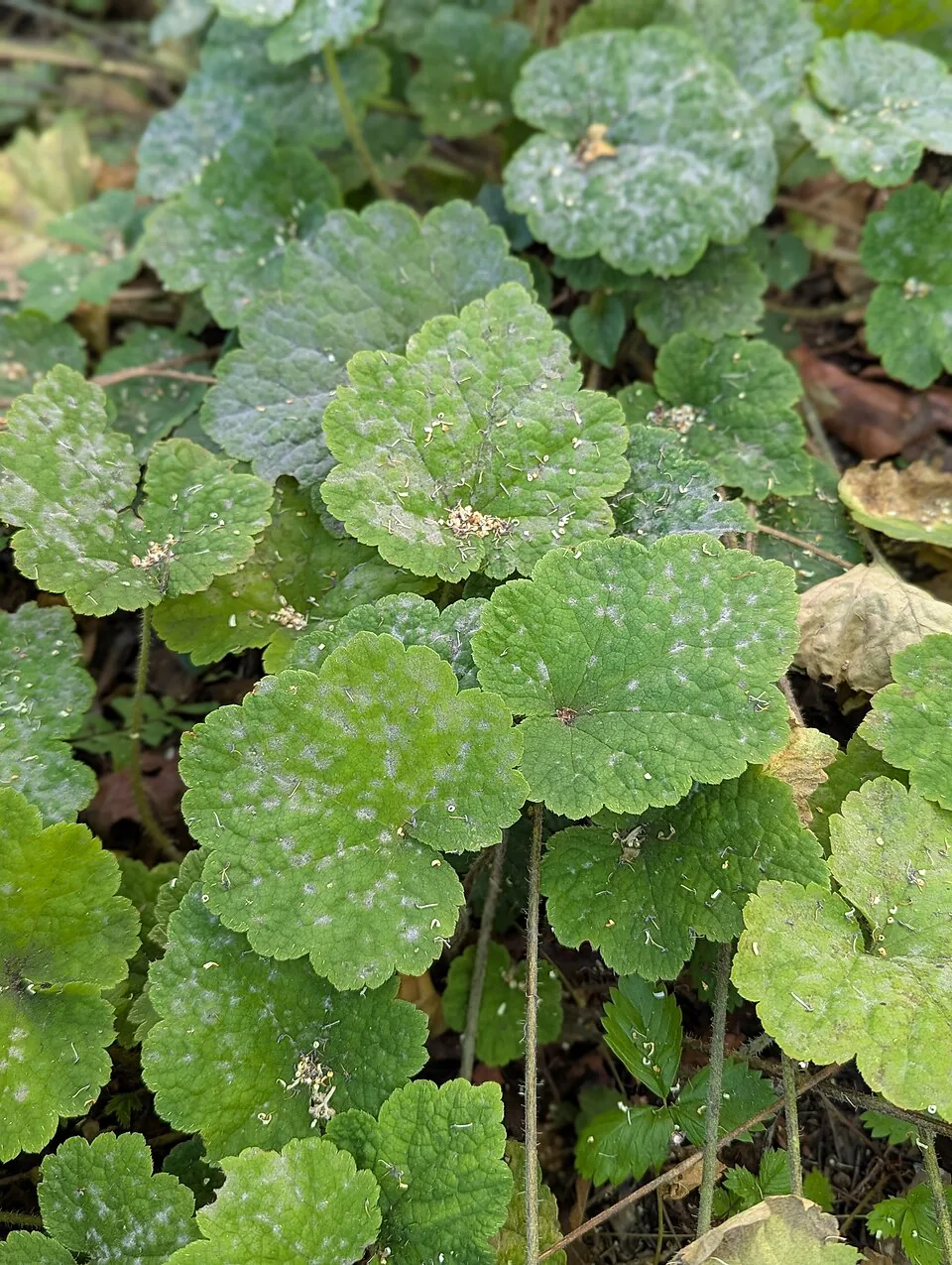
Photo : Braines123 — CC BY 4.0 — source

🌱 Growing conditions
☀️ Light
Indirect light to partial shade
💧 Watering
Keep the mix evenly slightly moist: water as soon as the surface begins to dry, then let excess water drain away. Avoid both complete drying and standing water.
🌡️ Temperature
10–22 °C
💦 Humidity
Medium to high
🪴 Potting mix
Humus-rich, airy and well-draining mix
⭐ Difficulty
Easy
🌱 Growth
Fast
📏 Mature size
30–50 cm; flower stalks and plantlets may trail
🌿 Habit
clumping and trailing
📝 About Piggyback plant
Description
Perennial with hairy foliage that produces small plantlets directly at the base of mature leaves, which explains its English name piggyback plant; it prefers cooler conditions.
Care
This plant prefers cool conditions, partial shade or bright shade, and humus-rich soil kept moist but well drained. Indoors, avoid hot dry rooms and direct sun. Remove winter-damaged foliage in spring.
Repotting
Repot in spring when roots fill the pot or the clump becomes crowded. Use a humus-rich but well-drained mix in a pot only slightly larger, keeping the crown at the same level.
Propagation
Propagate very easily in summer by removing the small plantlets that form at the leaf bases and setting them on moist mix until rooted. Division in spring and seed in autumn are also possible.
🐱 Toxicity
Generally considered non-toxic to pets.
🩺 Common problems
Yellow leaves
Yellowing with waterlogged mix indicates excess water or poorly aerated roots. With a dry root ball and hot air, yellowing may follow drought. The oldest leaves may yellow naturally before replacement.
Brown leaves
Brown tips or patches commonly come from dry air, prolonged thirst or overly strong direct sun.
Diseases
Tolmiea menziesii is generally disease-free. In containers, problems mainly arise from constantly saturated mix or prolonged hot dry conditions. Correct watering, temperature and ventilation first.
Pests
This species is generally pest-free. Indoors, however, check for aphids, spider mites and mealybugs if the plant is kept too warm or becomes stressed. Inspect young growth and leaf undersides.