Plant profile
Long-flowered achimenes
Achimenes longiflora
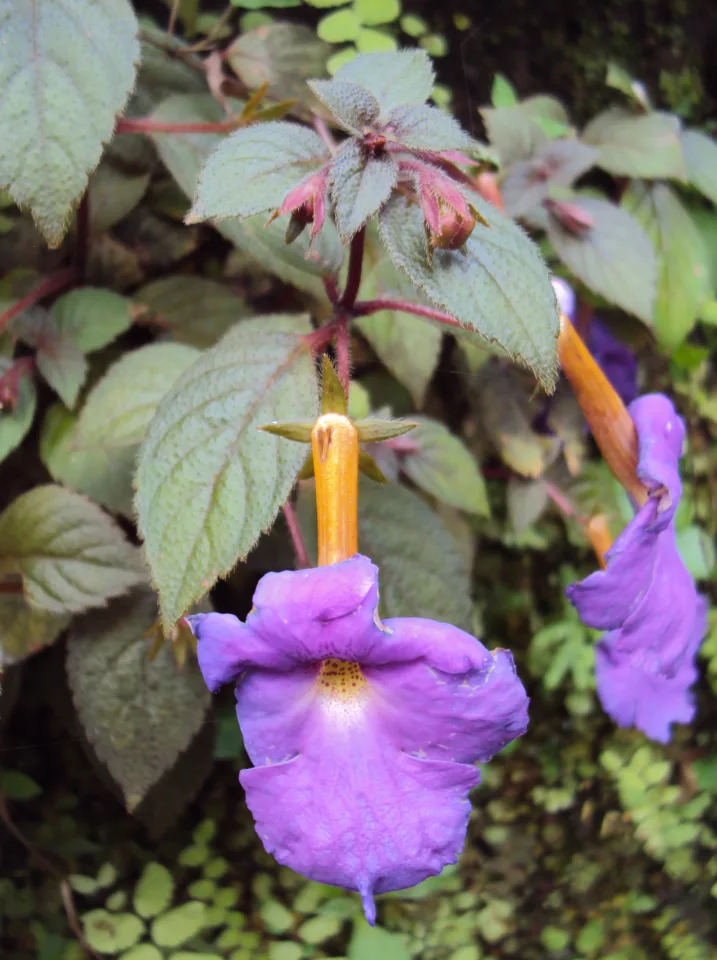
Photo : Vinayaraj — CC BY-SA 3.0 — source

🌱 Growing conditions
☀️ Light
Bright indirect light; gentle morning sun is possible.
💧 Watering
Keep lightly moist during growth and bloom. Reduce and almost stop watering when stems die back into dormancy.
🌡️ Temperature
18 to 26 °C during growth; resting rhizomes should be kept dry and frost-free.
💦 Humidity
Average to high.
🪴 Potting mix
Light, humus-rich and free-draining.
⭐ Difficulty
Easy to moderate
🌱 Growth
Fast in season
📏 Mature size
20 to 40 cm
🌿 Habit
soft, upright to trailing
📝 About Long-flowered achimenes
Description
Achimenes longiflora is one of those flowering plants once common on windowsills. It grows from small scaly rhizomes and produces tubular flowers for several months above soft foliage.
Its most important feature is a clear winter rest. After flowering, stems yellow and disappear; this is not the death of the plant. The rhizomes remain alive in the pot until the next growth cycle.
Care
In spring, resume watering gradually as new shoots appear. During growth, keep the mix lightly fresh and provide plenty of filtered light.
After flowering, let stems yellow naturally and then reduce watering sharply. Keep the pot almost dry until the new season.
Repotting
At the end of winter or beginning of spring, lift the small rhizomes from the old mix and replant them shallowly in fresh light substrate.
Propagation
Divide the rhizomes when repotting. Stem cuttings are also possible during active growth.
🐱 Toxicity
No major toxicity is commonly reported, but specific data are limited. Avoid ingestion.
🩺 Common problems
Yellow leaves
During growth: overwatering, low light or cold roots. At the end of the season, general yellowing is normal and signals dormancy.
Brown leaves
Drought, strong direct sun or very dry air. If edges dry while the mix is still moist, check direct sun and very dry air first. Late in the season, gradual browning can also signal normal entry into dormancy.
Diseases
Rhizome rot if the pot stays wet during dormancy; botrytis on damp foliage with poor ventilation.
Pests
Aphids, thrips, spider mites and mealybugs.