Plant profile
English ivy
Hedera helix
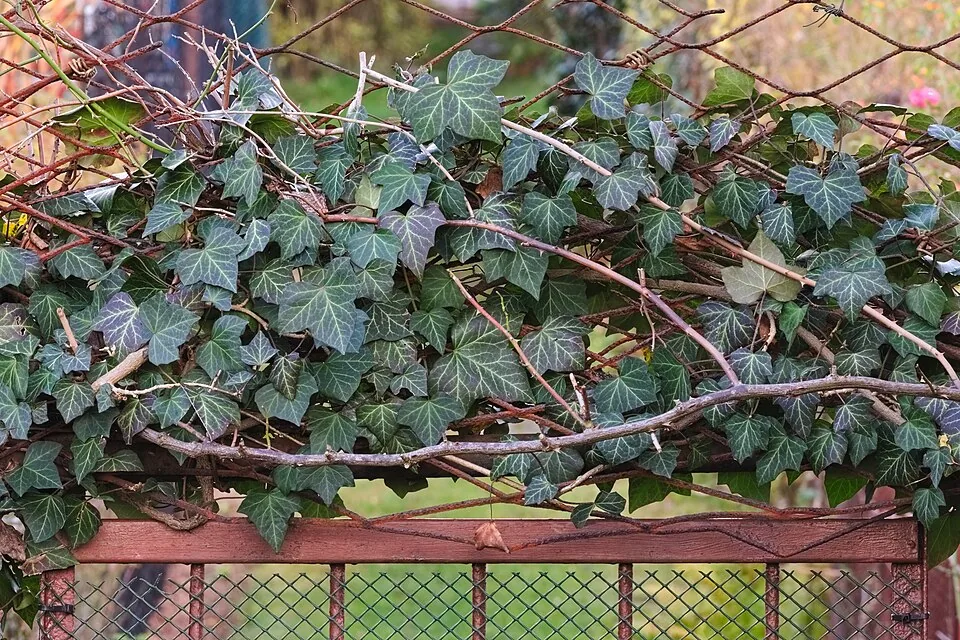
Photo : Adrian Tync — CC BY-SA 4.0 — source

🌱 Growing conditions
☀️ Light
Bright to medium indirect light. Variegated cultivars need more light. A cool, bright room suits it better than a hot, dark position.
💧 Watering
Water when the top 2–3 cm dry. Keep the mix slightly moist without standing water; reduce watering in winter.
🌡️ Temperature
10 to 24 °C
💦 Humidity
Medium
🪴 Potting mix
Rich and well-draining.
⭐ Difficulty
Easy
🌱 Growth
Fast
📏 Mature size
2 to 5 m or more if left unrestrained
🌿 Habit
climbing or trailing
📝 About English ivy
Description
Evergreen ivy with climbing or trailing stems, grown indoors in many green or variegated forms. It prefers bright, rather cool rooms.
Care
Prune long stems to make the plant denser and rinse the foliage regularly, especially in dry air. Watch closely for spider mites.
Repotting
Repot when roots fill the container, using a pot with drainage holes.
Propagation
Stem cuttings with several nodes, easy to root.
🐱 Toxicity
Toxic if ingested; berries and leaves may cause digestive upset. Keep out of reach of children and animals.
🩺 Common problems
Yellow leaves
Excess water, excessive heat or insufficient light.
Brown leaves
Dry edges and dull leaves usually mean hot dry air or lack of water. Soft dark spots suggest excess water. Fine stippling with webbing points to spider mites.
Diseases
Root rot and leaf spots in overly humid conditions. Stems blackening at the base or spots spreading on leaves that stay wet mean persistent moisture should be reduced, affected parts removed and airflow improved.
Pests
Spider mites are very common in dry air, as well as aphids and scale insects.