Plant profile
Monstera obliqua
Monstera obliqua
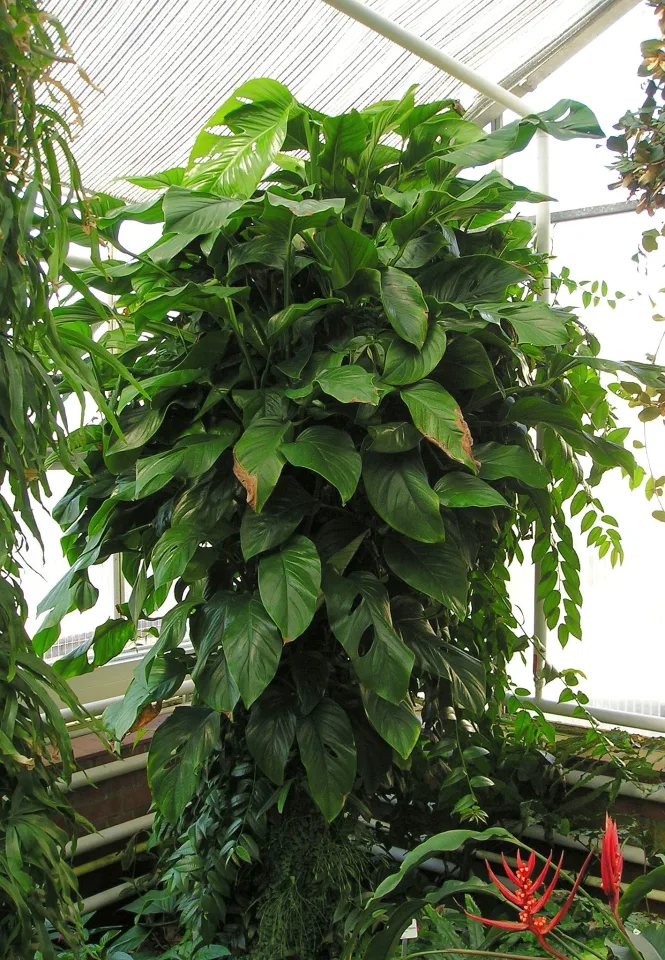
Photo : Maja Dumat — CC BY 2.0 — source

🌱 Growing conditions
☀️ Light
Bright indirect light
💧 Watering
Keep slightly moist but never waterlogged
🌡️ Temperature
20 to 28 °C
💦 Humidity
Very high
🪴 Potting mix
Very airy, light and well-draining epiphytic mix
⭐ Difficulty
Difficult
🌱 Growth
Slow to moderate
📏 Mature size
1 to 3 m with support indoors
🌿 Habit
Climbing, slender and light
📝 About Monstera obliqua
Description
Monstera obliqua (Monstera obliqua) is a tropical aroid grown for its distinctive foliage. Its thin leaves may develop very large perforations; it needs more humidity and stability than Monstera deliciosa.
Care
Keep in bright filtered light, avoid harsh direct sun and water according to the drying rate described above. Good aeration around the roots and stable warmth are important. Keep warmth and very high humidity stable, avoid drafts and avoid abrupt alternation between drought and saturation.
Repotting
Repot carefully when roots fill the container, using a very airy epiphytic mix; a moist support can accompany climbing stems.
Propagation
Propagate from stem cuttings that must include at least one node; layering is also possible. A cutting must contain at least one viable node: a leaf on its own cannot form a new plant. Root the node in water, sphagnum moss or an airy mix, then pot it up once several roots are well developed.
🐱 Toxicity
Toxic if ingested; irritating calcium oxalates.
🩺 Common problems
Yellow leaves
Yellowing usually points to roots staying too wet, temperatures that are too low or insufficient light. Check the potting mix and roots first, then correct watering and move the plant to bright filtered light.
Brown leaves
Very sensitive to dry air and lack of water; direct sun easily burns the thin leaves.
Diseases
The main disease risks are root rot in persistently wet mix and leaf spots when foliage stays wet with poor air movement. Improve drainage, ventilation and watering before using any treatment.
Pests
Watch especially for thrips and spider mites, which damage the very thin leaves quickly. Inspect both leaf surfaces and isolate the plant at the first sign of silvery scarring, stippling or webbing.