Plant profile
Primulina
Primulina dryas
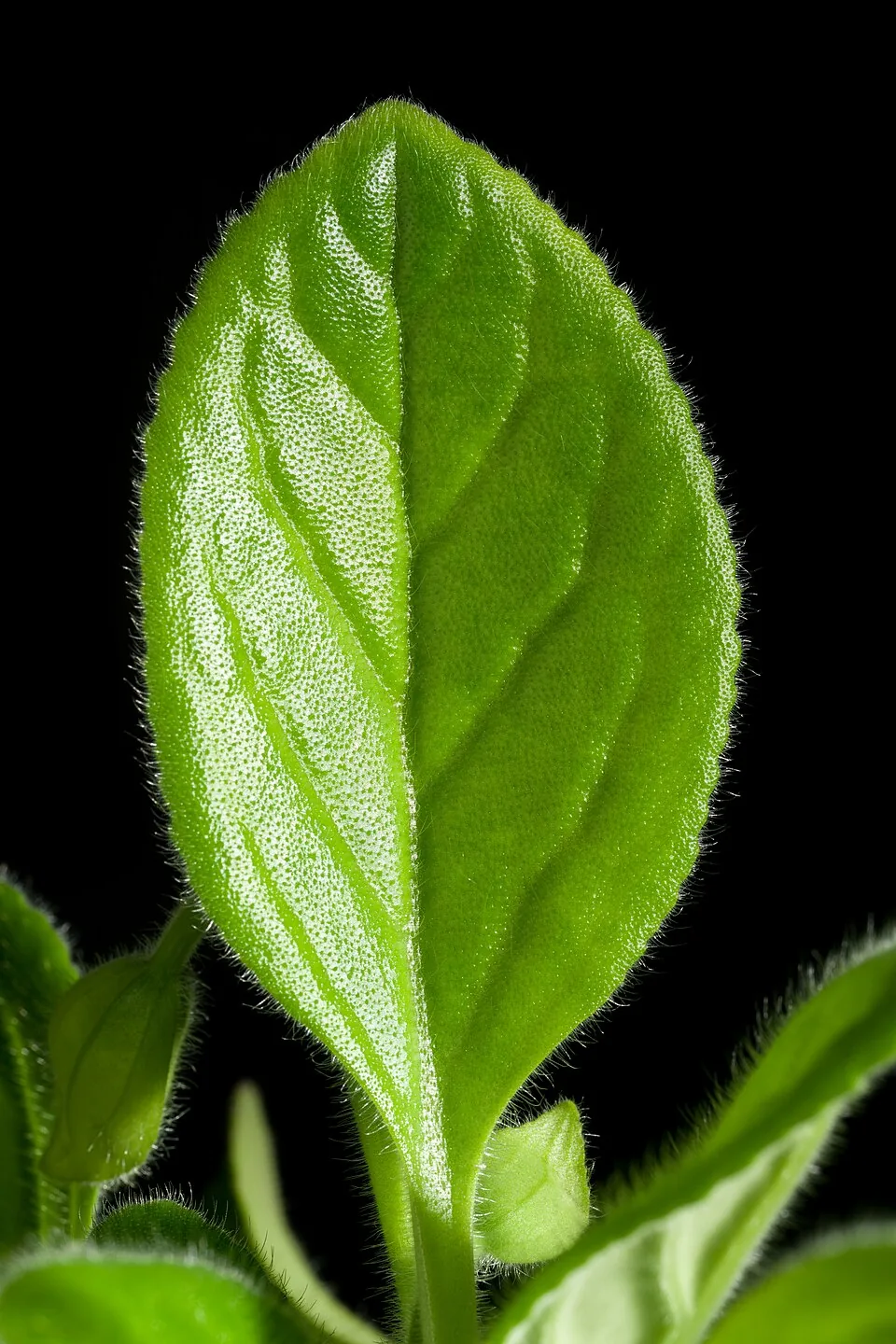
Photo : Motohiro Sunouchi — CC BY 4.0 — source

🌱 Growing conditions
☀️ Light
Bright indirect light
💧 Watering
Water when the surface begins to dry
🌡️ Temperature
18–25 °C
💦 Humidity
Medium
🪴 Potting mix
Light, humus-rich, very well-draining mix with added perlite or fine mineral grit
⭐ Difficulty
Moderate
🌱 Growth
Moderate
📏 Mature size
15–25 cm
🌿 Habit
rosette
📝 About Primulina
Description
Small perennial gesneriad forming a rosette, native to southern China and able to grow on rocky substrates. Its decorative leaves are accompanied by delicate tubular flowers. In a pot it prefers a humus-rich but airy mix and bright filtered light.
Care
Keep in bright filtered light, out of harsh sun. Water when the surface begins to dry, preferably around the edge of the pot, then empty the saucer. Do not keep the mix waterlogged or leave water sitting in the centre of the rosette, especially in cool conditions. A small pot with drainage holes helps keep the roots aerated.
Repotting
Repot when roots fill the mix, using a small shallow pot with drainage holes. Choose an airy, humus-rich substrate and avoid burying the crown.
Propagation
Propagate from leaf cuttings with petiole in a light, barely moist mix, by separating rooted side rosettes, or from seed.
🐱 Toxicity
Ingestion of ornamental plants is discouraged.
🩺 Common problems
Yellow leaves
If several leaves yellow while the mix remains wet, check the roots and crown before watering again: excess moisture may be leading to rot. A single old outer leaf can yellow naturally, while insufficient light may also weaken growth.
Brown leaves
Pale, dry patches on the window-facing side suggest sun scorch. Dry, brittle edges can follow prolonged drying; dark, soft patches near the centre point instead to excessive moisture.
Diseases
The main disease risk is crown or root rot in persistently wet mix. Remove collapsed leaves promptly and improve air movement; Botrytis can develop in cool, humid, stagnant conditions.
Pests
Generally not very pest-prone, but inspect leaf undersides and flower buds for thrips, mites and mealybugs.