Plant profile
African violet
Saintpaulia ionantha
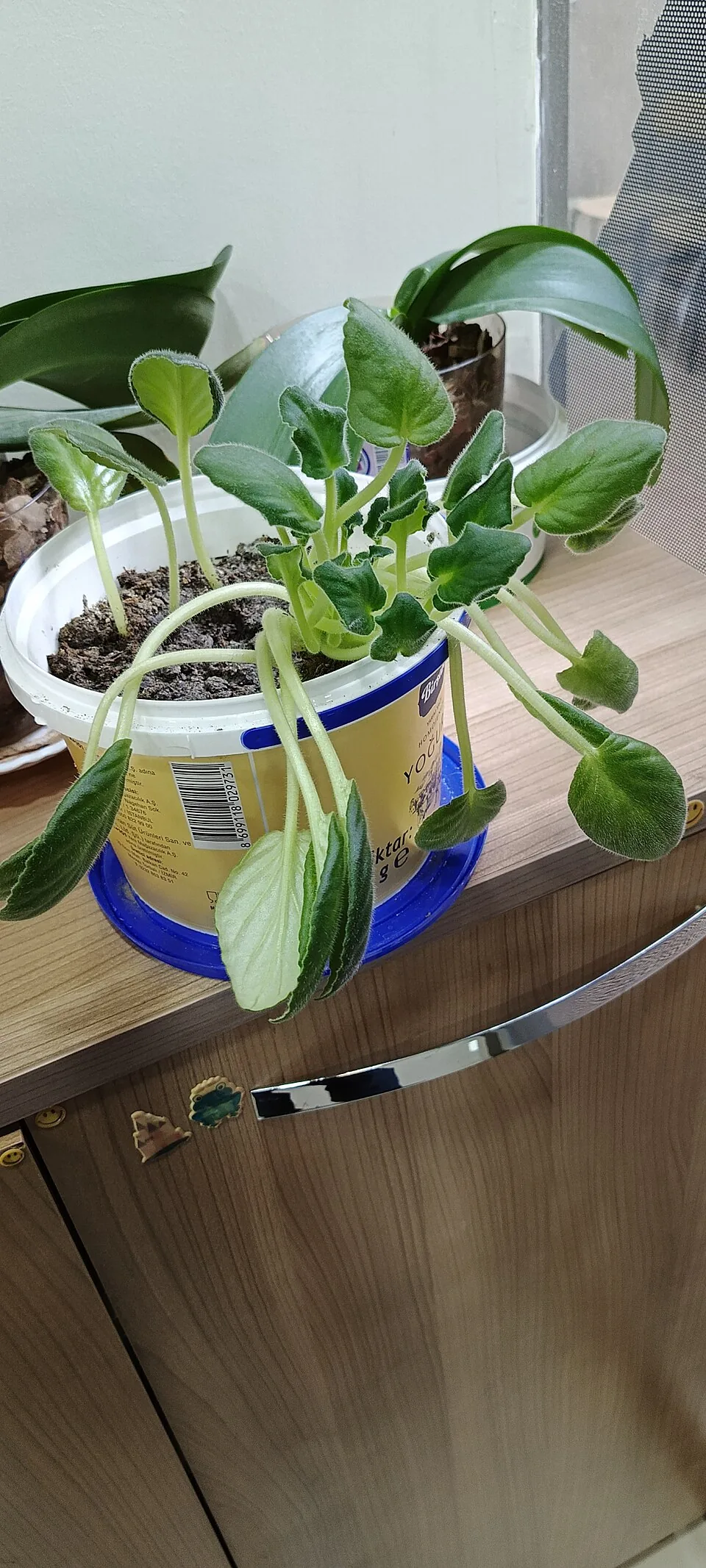
Photo : Satirdan kahraman — CC BY-SA 4.0 — source

🌱 Growing conditions
☀️ Light
Bright indirect light
💧 Watering
Water when the surface begins to dry, using room-temperature water. Moisten the mix without leaving water standing in the crown or saucer. Bottom watering is possible, but discard excess water after uptake and occasionally flush the mix from above to reduce salt build-up.
🌡️ Temperature
18 to 24 °C
💦 Humidity
Medium
🪴 Potting mix
Light, humus-rich and well-draining
⭐ Difficulty
Moderate
🌱 Growth
Moderate
📏 Mature size
10 to 20 cm
🌿 Habit
rosette
📝 About African violet
Description
African violet is a small rosette-forming gesneriad now botanically placed in the genus Streptocarpus. Its velvety leaves are easily marked by injury and cold water, while stable bright light supports repeated flowering. Numerous houseplant cultivars differ in size, flower colour and form.
Care
Provide bright indirect light and steady temperatures. Avoid scorching sun, cold drafts and cold water on the foliage. Remove spent flowers and damaged leaves at their base; a slightly snug pot often encourages flowering better than an oversized container.
Repotting
Use a small, shallow pot with a very light, airy mix. Repot when the mix compacts, roots fill the pot or a long bare neck develops. Position the crown just above the surface and never bury the growing centre.
Propagation
Leaf cuttings with a petiole are the standard method: insert the petiole into a light mix and keep warm, humid but not waterlogged, in filtered light. Plantlets form at the leaf base; separate them once they have several leaves and their own roots.
🐱 Toxicity
Listed by the ASPCA as non-toxic to dogs and cats.
🩺 Common problems
Yellow leaves
Soft yellow leaves with wet mix often indicate overwatering or damaged roots. Pale uniform yellowing can result from insufficient light or nutrition. Older outer leaves may yellow naturally and can then be removed cleanly.
Brown leaves
Pale or brown spots appearing after contact with cold water are characteristic of African violets. Dry edges may also come from salt build-up or prolonged drought. Scorched areas on the window-facing side suggest overly direct sun.
Diseases
Crown and root rots, botrytis and powdery mildew are favoured by excess water, persistently wet foliage and poor air movement. If the crown becomes soft or dark, act quickly: remove affected tissue, reduce substrate moisture and improve ventilation.
Pests
Cyclamen mites are especially troublesome: they distort the youngest leaves in the centre and are difficult to see unaided. Thrips and mealybugs can also attack flowers, petioles and leaf undersides. Isolate any suspect plant immediately.