Plant profile
Prayer plant
Maranta leuconeura
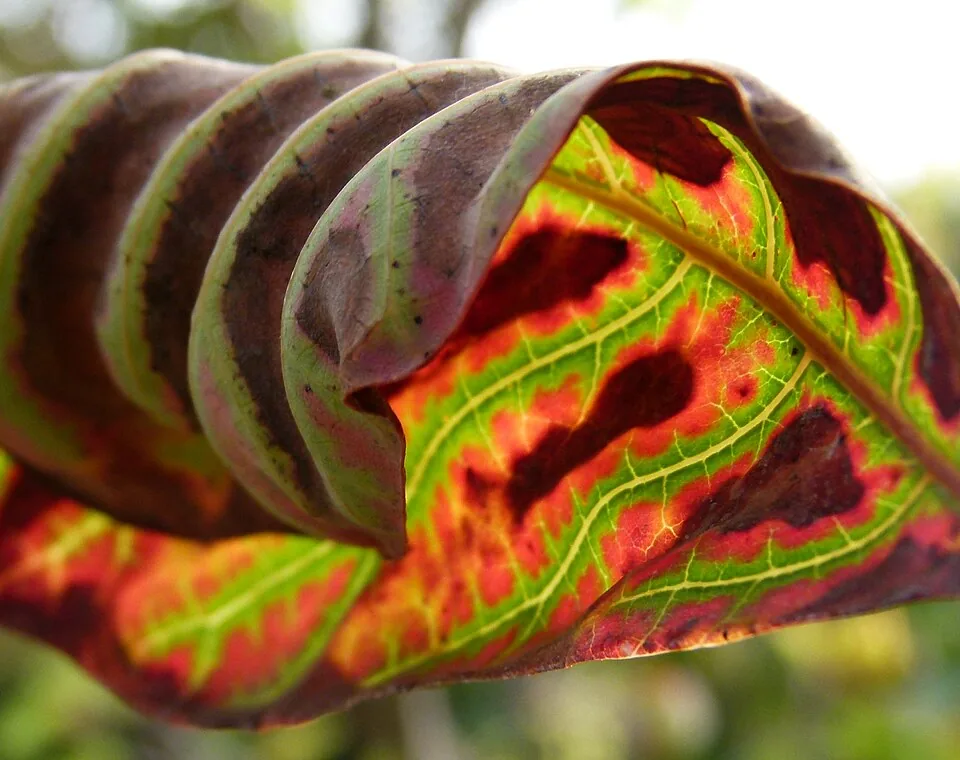
Photo : Dinkum — CC0 — source

🌱 Growing conditions
☀️ Light
Medium to bright indirect light
💧 Watering
Keep slightly moist without waterlogging
🌡️ Temperature
18 to 27 °C
💦 Humidity
High
🪴 Potting mix
Humus-rich and well-draining
⭐ Difficulty
Moderate
🌱 Growth
Moderate
📏 Mature size
20 to 40 cm, stems may spread farther
🌿 Habit
creeping or trailing
📝 About Prayer plant
Description
Maranta leuconeura is a low rhizomatous plant whose leaves rise or fold more noticeably in the evening, giving rise to the name prayer plant. This daily movement is normal and should not be confused with wilting.
Its roots remain fairly shallow: it likes an airy mix that stays lightly moist, but dislikes both complete drought and standing water. The leaves quickly reveal problems with water quality, air humidity and irregular watering.
Care
Give medium to bright indirect light with no hot direct sun. Keep the mix lightly moist, but wait until the surface has just started to dry before watering again. Low-mineral water is preferable if your tap water leaves heavy deposits.
Higher air humidity helps keep leaf edges clean, but it does not replace correct watering. Also protect the plant from cold glass in winter and dry heating draughts.
Repotting
Repot in spring when roots fill the pot or the mix has compacted. A fairly wide, not excessively deep pot suits its shallow rhizomatous root system. Use a humus-rich but airy mix; burying the rhizomes too deeply increases the risk of rot.
Propagation
Division is the most reliable method: at repotting, separate a section with several leaves, firm rhizomes and several healthy roots. Stem cuttings can also work when the piece contains a viable node; a leaf alone is not enough.
🐱 Toxicity
Generally considered non-toxic to dogs and cats.
🩺 Common problems
Yellow leaves
One older outer leaf may yellow naturally. Several yellow leaves with constantly wet compost point more towards overwatering, compacted mix or chilled roots. Yellowing combined with pale, weak growth may also indicate insufficient light.
Brown leaves
Dry tips or margins are common with dry air, highly mineralised water, salt build-up or irregular watering. If the whole leaf curls while the mix is dry, suspect lack of water first; if it curls in wet compost, check for cold, damaged roots or excess water instead.
Diseases
Root and rhizome rot occur mainly when the mix remains waterlogged and poorly aerated. If several leaves yellow while the mix stays wet for days, gently remove the root ball: healthy rhizomes are firm, while soft, black or foul-smelling parts should be removed before repotting into a more airy mix.
Pests
Spider mites are the most common problem in warm, dry air: look for fine pale stippling, dull leaves and then delicate webbing underneath. Mealybugs hide more often at petiole bases and in tight spaces. Isolate an infested plant promptly.